Pose Library Studio is now available. Access the full pose library and custom sessions.
Drawing Hands and Feet in Gesture Drawing
How to place the hands and feet without getting distracted by detail.
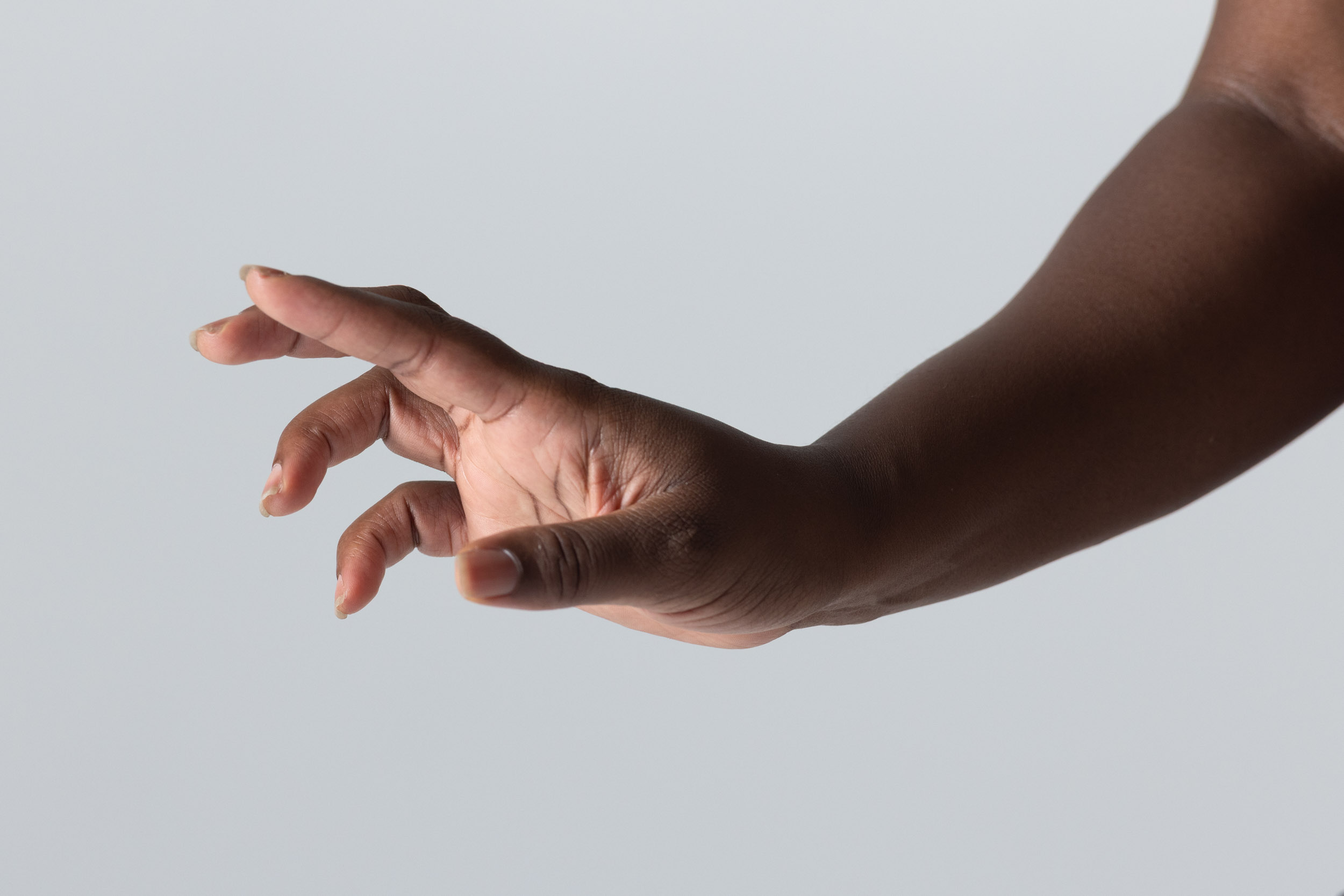
Hands and feet can be difficult for beginners because they are often drawn too small. In gesture drawing, focus on correct placement and proportion before worrying about detail.
Drawing Hands and Feet
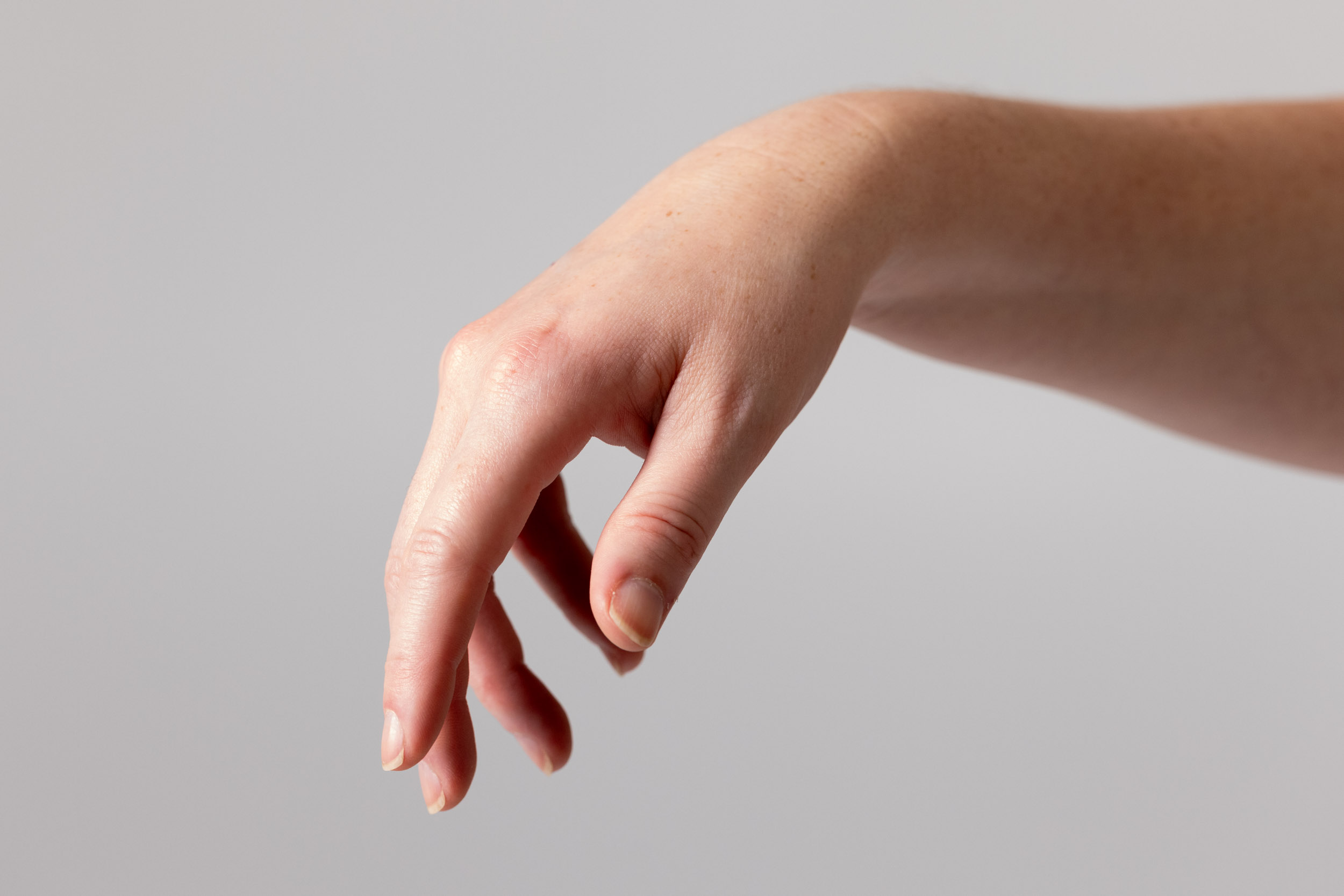
After establishing the torso, arms, and legs, we can begin placing the hands and feet.
For many beginners, these parts of the body can feel intimidating. Hands and feet contain many small forms and complex shapes, which can make them seem difficult to draw quickly.
However, in gesture drawing we are not concerned with drawing every finger or toe. At this stage, the goal is simply to place the hands and feet correctly within the pose.
Keeping things simple helps maintain the flow of the drawing.
A Common Sizing Mistake
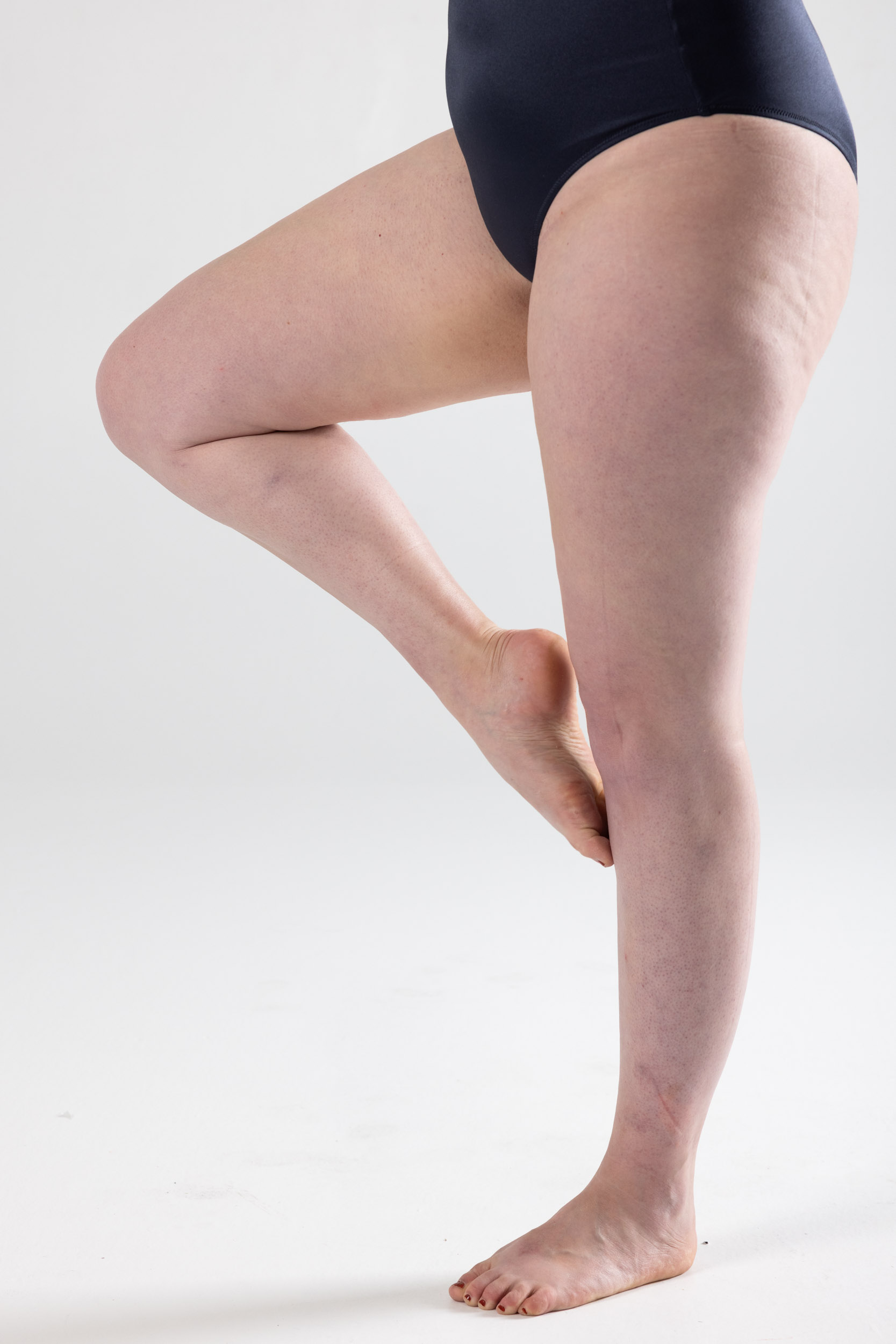
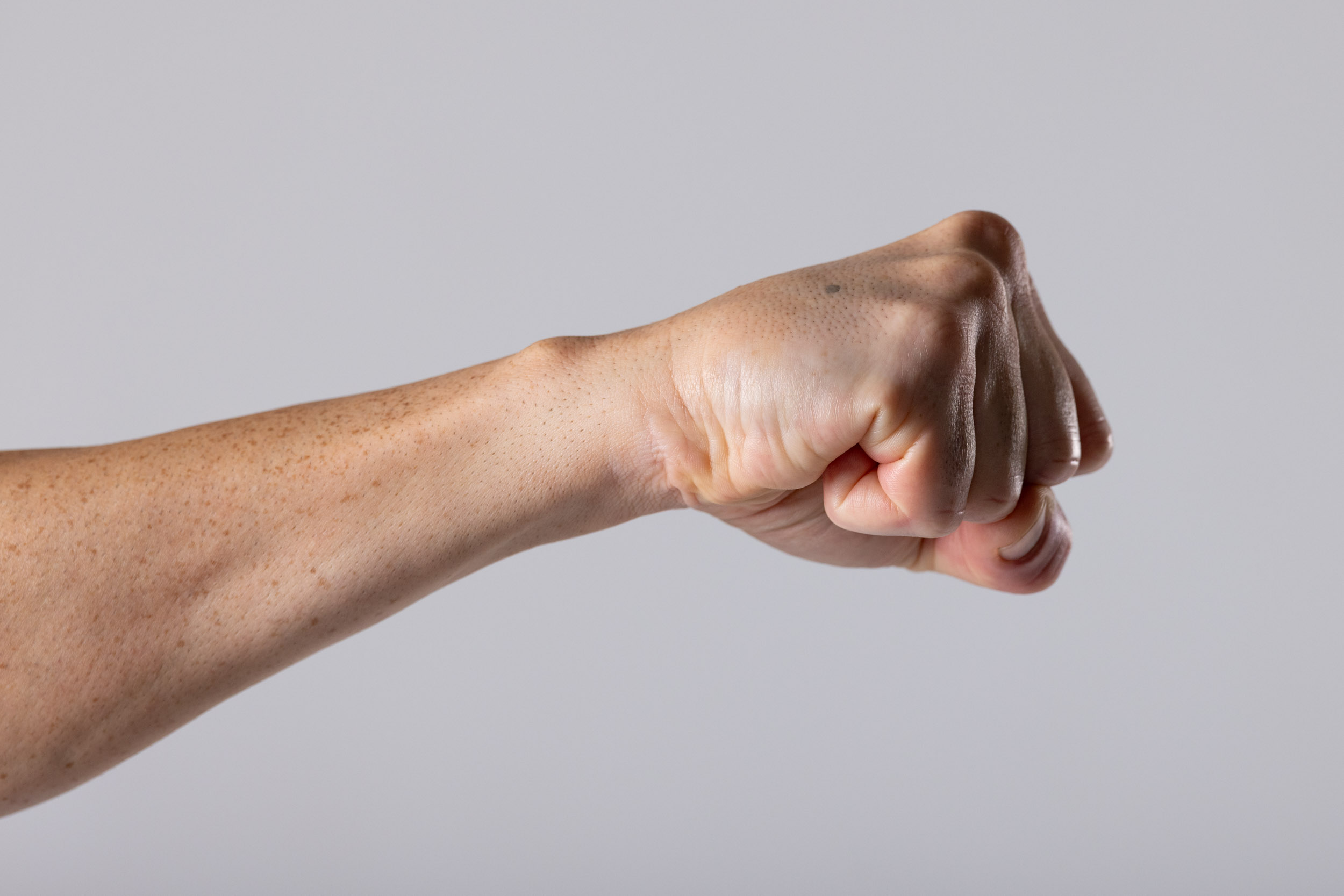
One of the most common mistakes new artists make is drawing the hands and feet too small.
Because they are detailed and complex, beginners sometimes shrink them without realizing it. This can make the figure feel unbalanced or awkward.
In reality, both hands and feet are larger than many people expect.
Hands often reach roughly to the middle of the thigh when the arms are relaxed at the side. Feet are also substantial forms that support the entire weight of the body.
When placing them in a gesture drawing, it helps to think of them as solid shapes rather than small decorative details.
Focus on Placement First
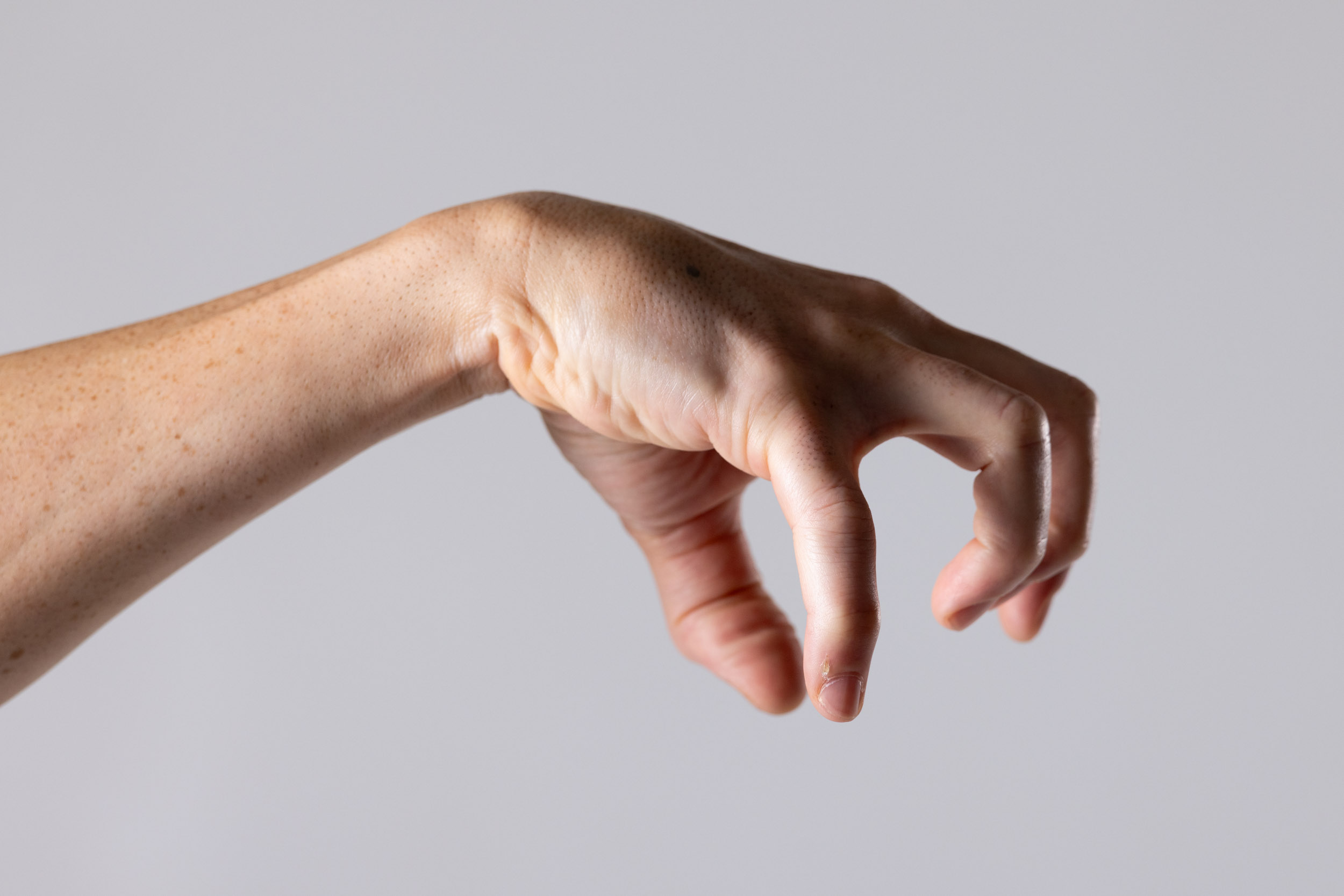
At this stage of the drawing, the most important goal is to place the hands and feet in the correct location.
Ask yourself simple questions as you observe the pose:
- Where does the hand fall relative to the torso?
- Is the foot directly under the body, or extended outward?
- How far apart are the feet from each other?
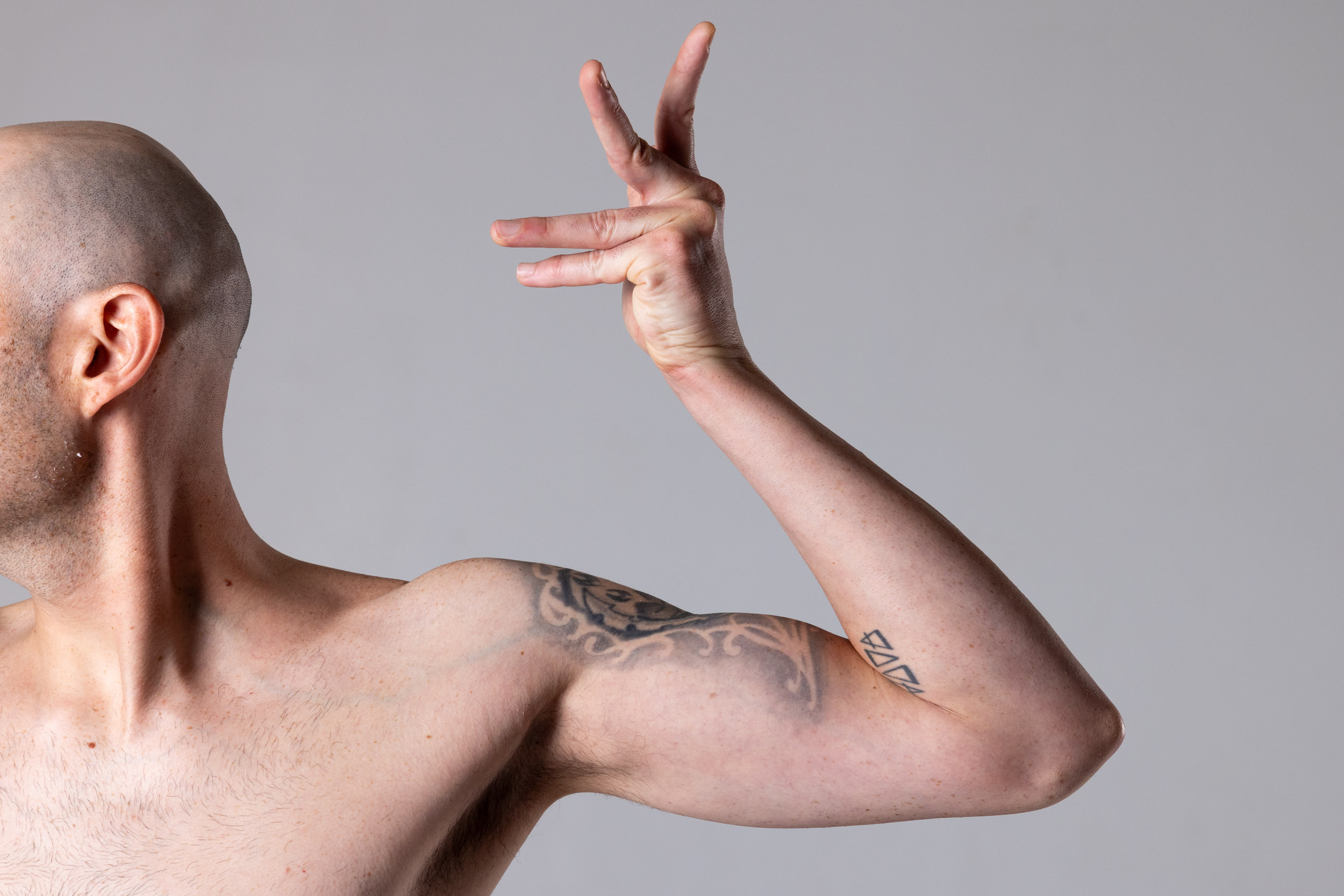
Even a simple block shape or wedge can help indicate the position of a hand or foot.
Getting this placement correct helps maintain the balance and structure of the entire figure.
Avoid Detail for Now
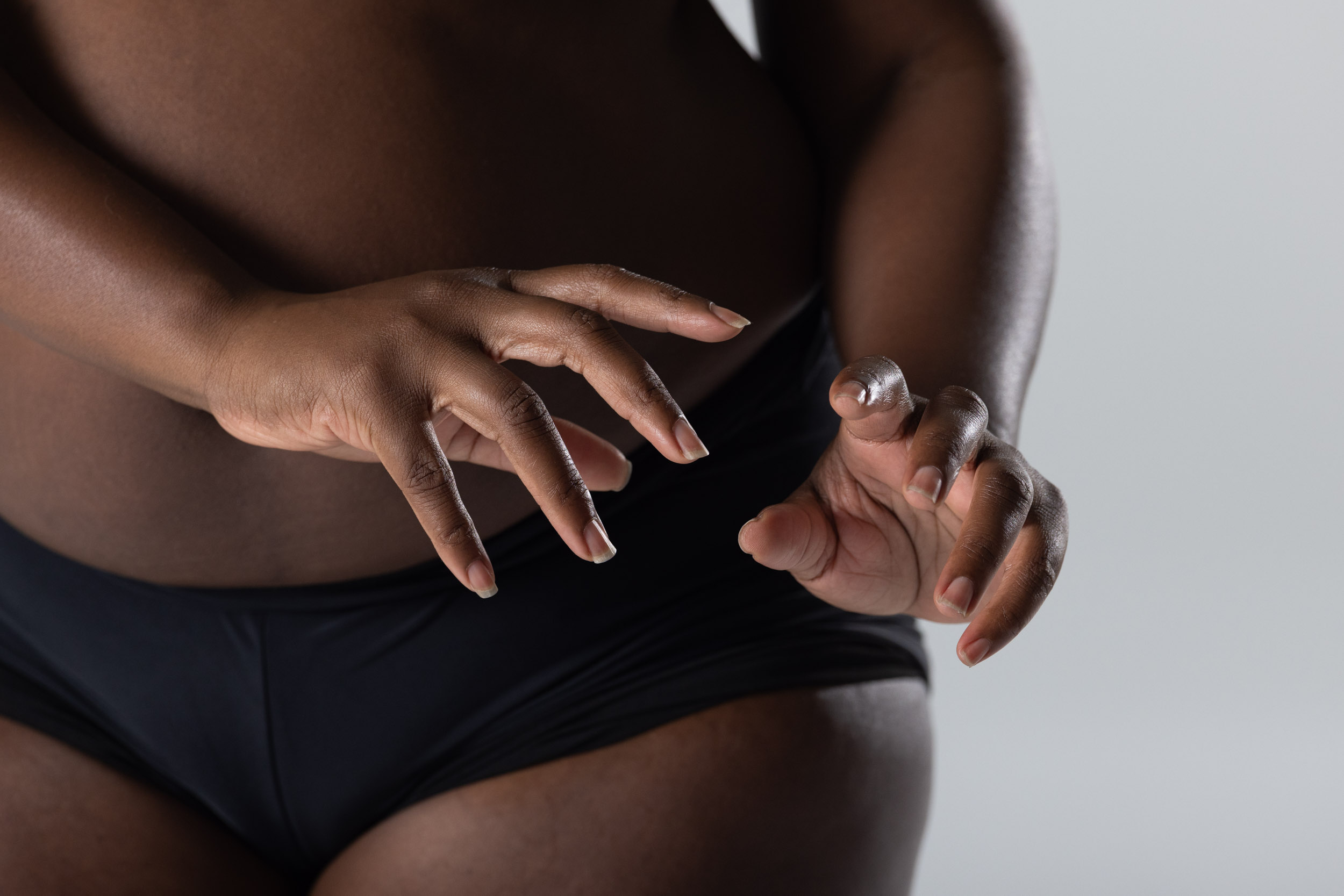
It's tempting to start drawing fingers or toes right away, but this usually slows the drawing down and interrupts the gesture.
Instead, try to represent the hands and feet with very simple shapes.
These simplified forms capture the direction and position of the hands and feet without getting caught up in small details.
Later, if the drawing continues into a longer study, you can always return and refine these areas.
Keeping the Gesture Alive
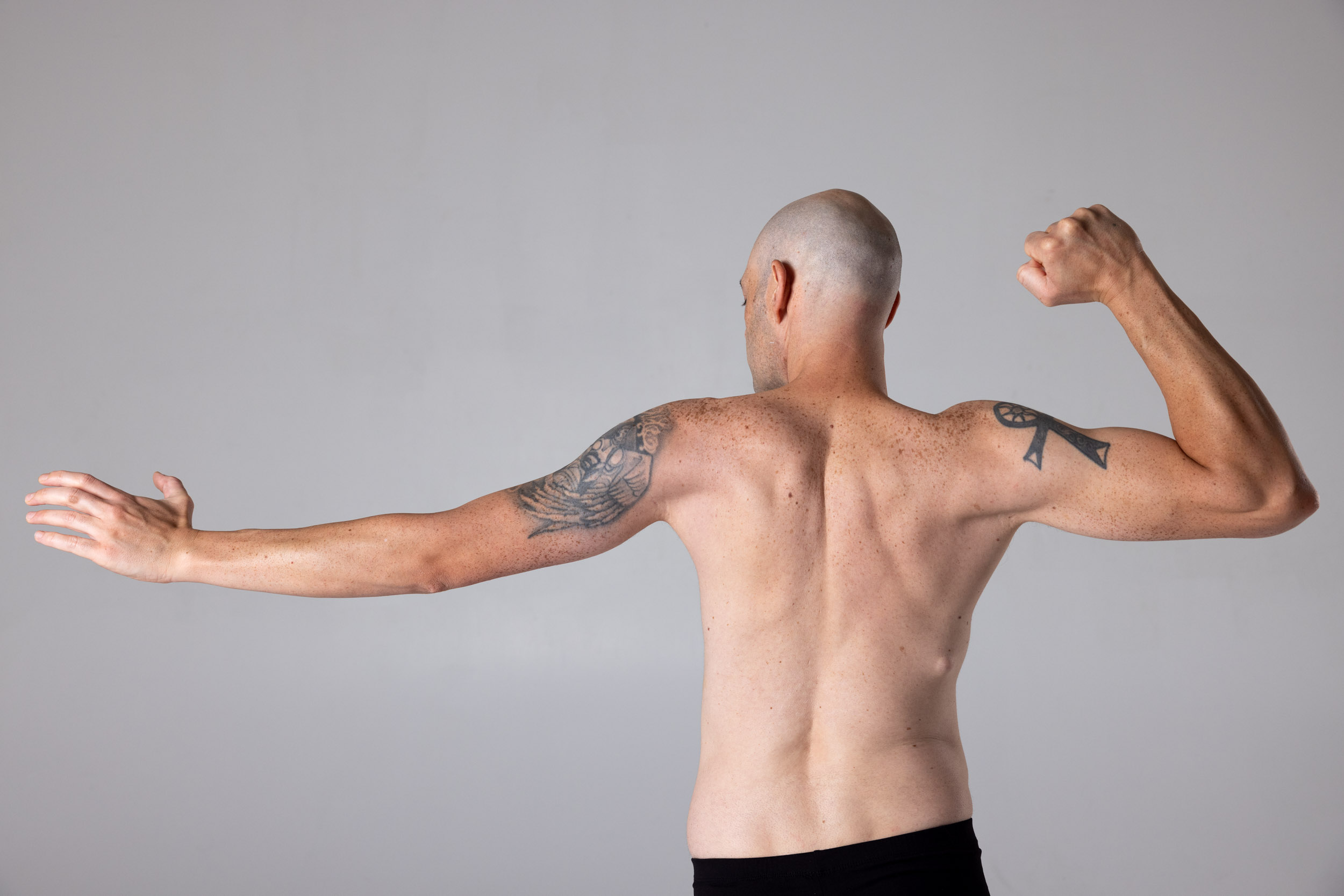
Gesture drawing works best when the entire figure feels connected and fluid.
By simplifying the hands and feet and focusing on their placement, you avoid breaking the rhythm of the drawing. The figure remains readable and dynamic.
As your observational skills improve, placing the hands and feet will become more intuitive.
And once the placement is clear, adding detail later becomes much easier.