Pose Library Studio is now available. Access the full pose library and custom sessions.
Reference Poses for Artists
Gesture and figure drawing pose references for timed practice.
Reference poses for artists help you practice figure drawing, gesture, anatomy, balance, and character design from real visual examples. This page includes seated, kneeling, standing, action, and costumed pose references you can use for timed drawing practice.
Use these poses for quick warm-ups, 30-second gesture drawings, longer figure studies, or character pose inspiration. If you want a larger browsable set, explore 99 Pose Reference Images for Artists.
Gesture Drawing Pose References
Gesture drawing pose references are best when the movement is easy to read. Look for the main line of action, the tilt of the torso, and the largest directional rhythm before drawing details.
Practice drawing from reference poses
A guided session using poses designed for artists
6 × 30-second poses
5 × 1-minute poses
5 × 2-minute poses
1 × 5-minute pose
No signup required. Just press play and draw.
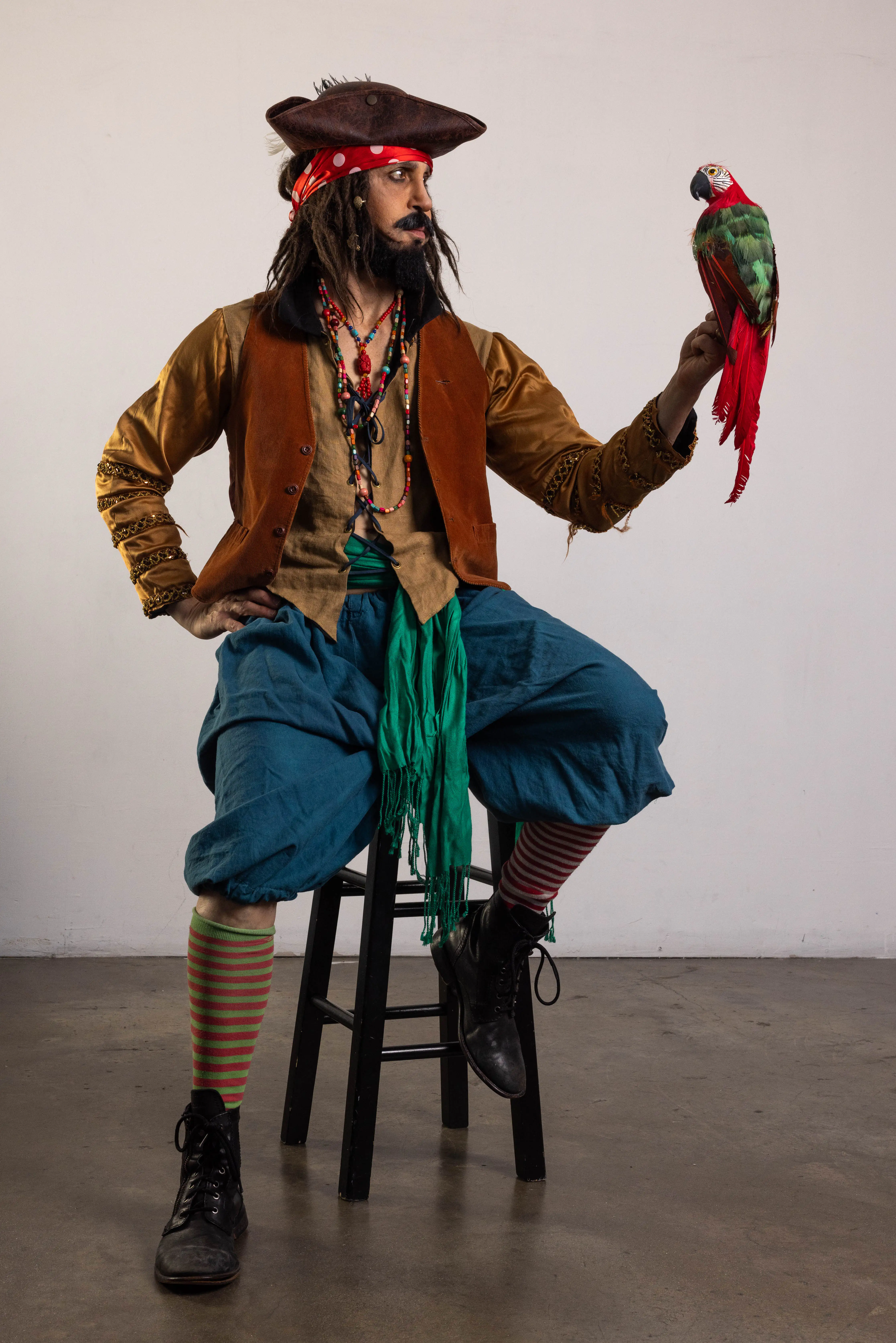
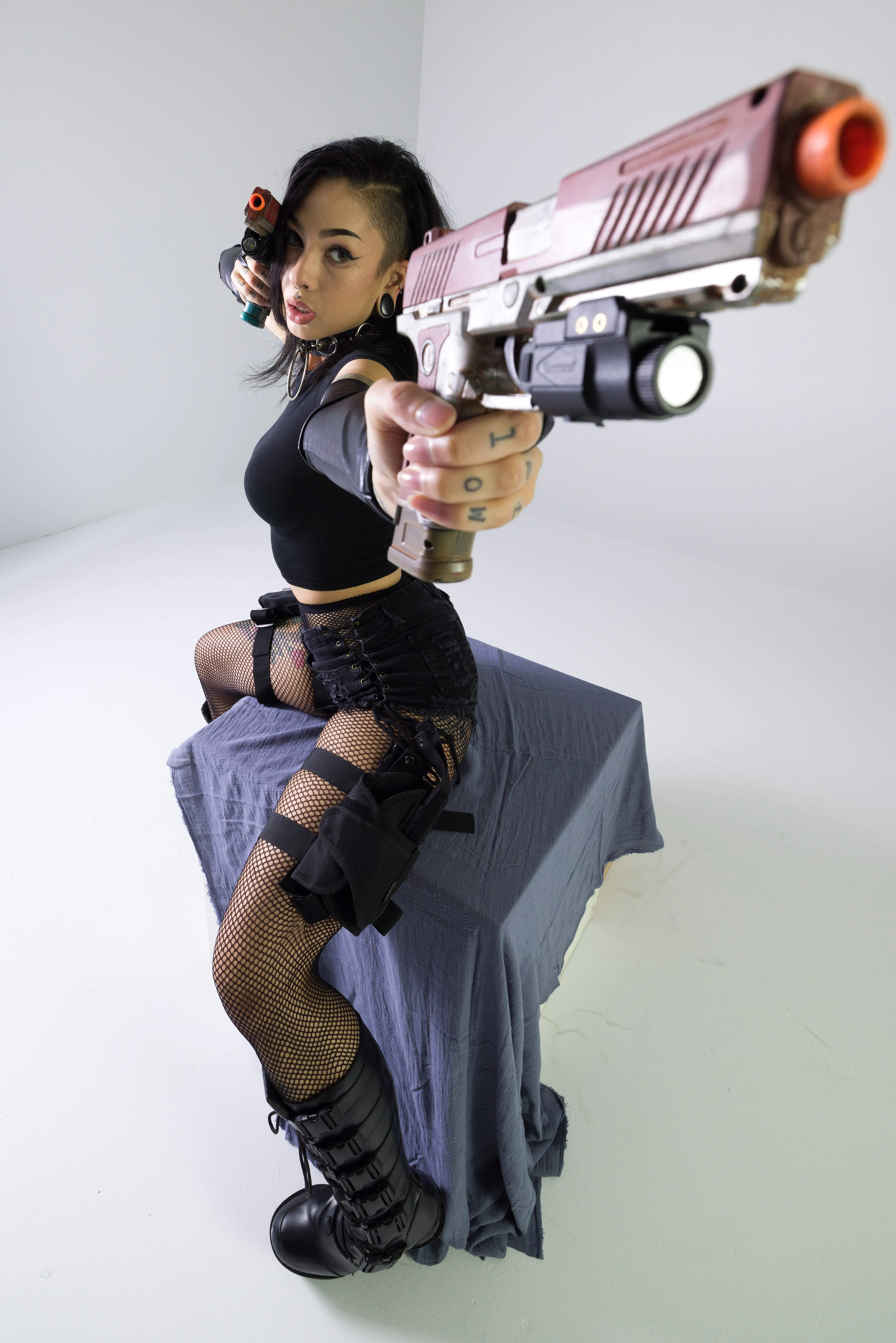
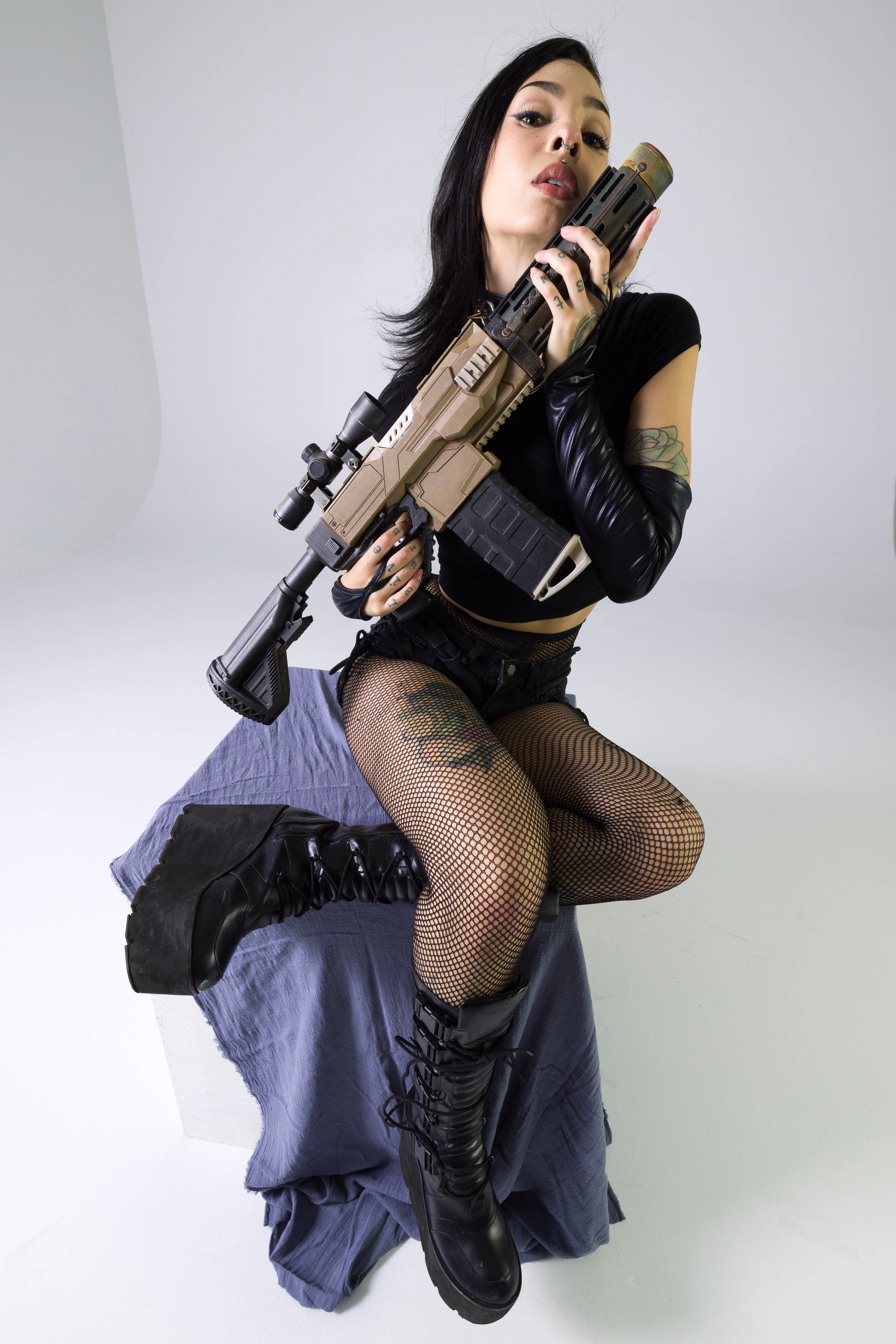
Seated Pose References for Artists
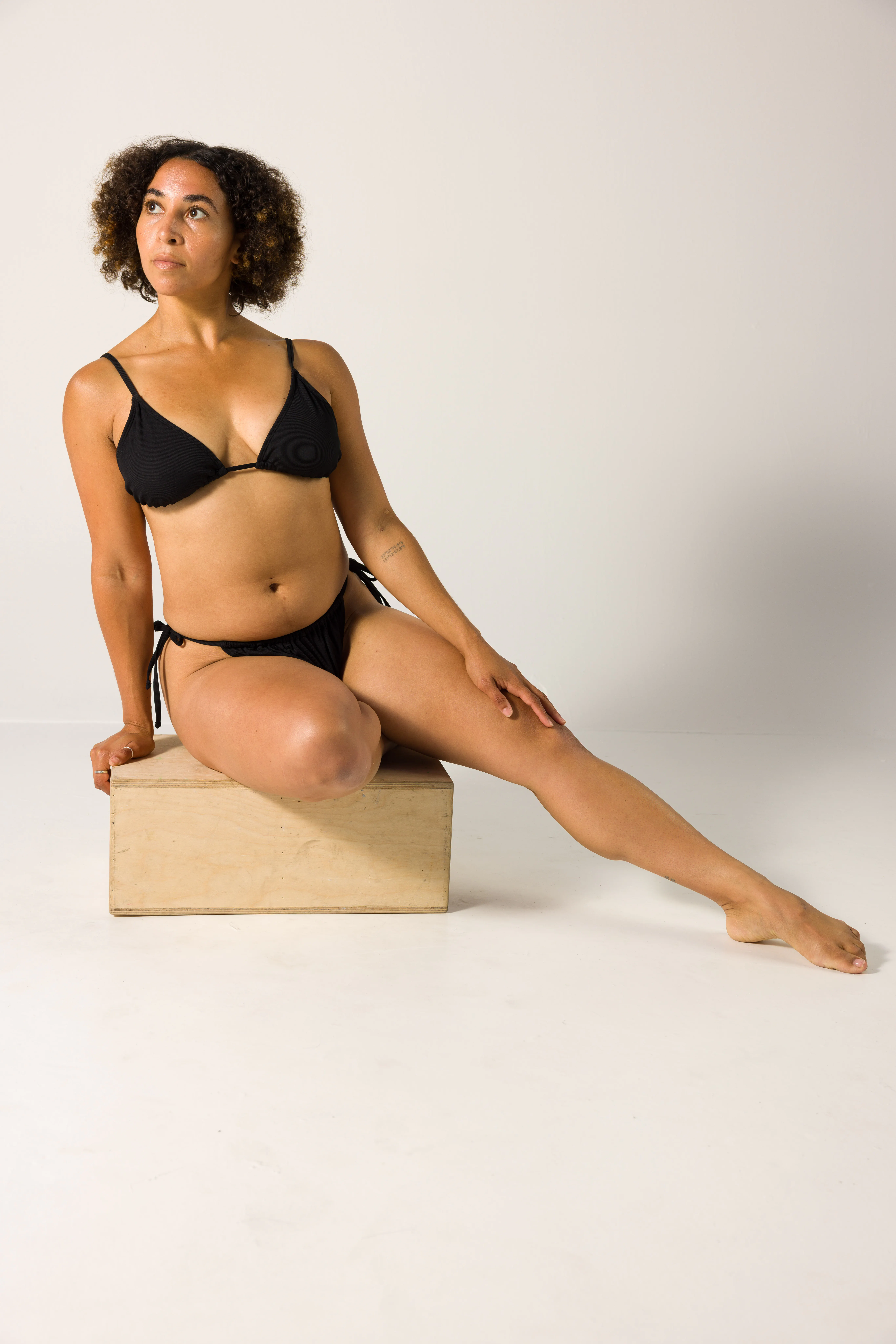
Seated pose references are useful for studying compression, balance, foreshortening, and how the pelvis changes the figure's weight. They are also good practice for character design poses that need a clear silhouette.
Kneeling Pose References
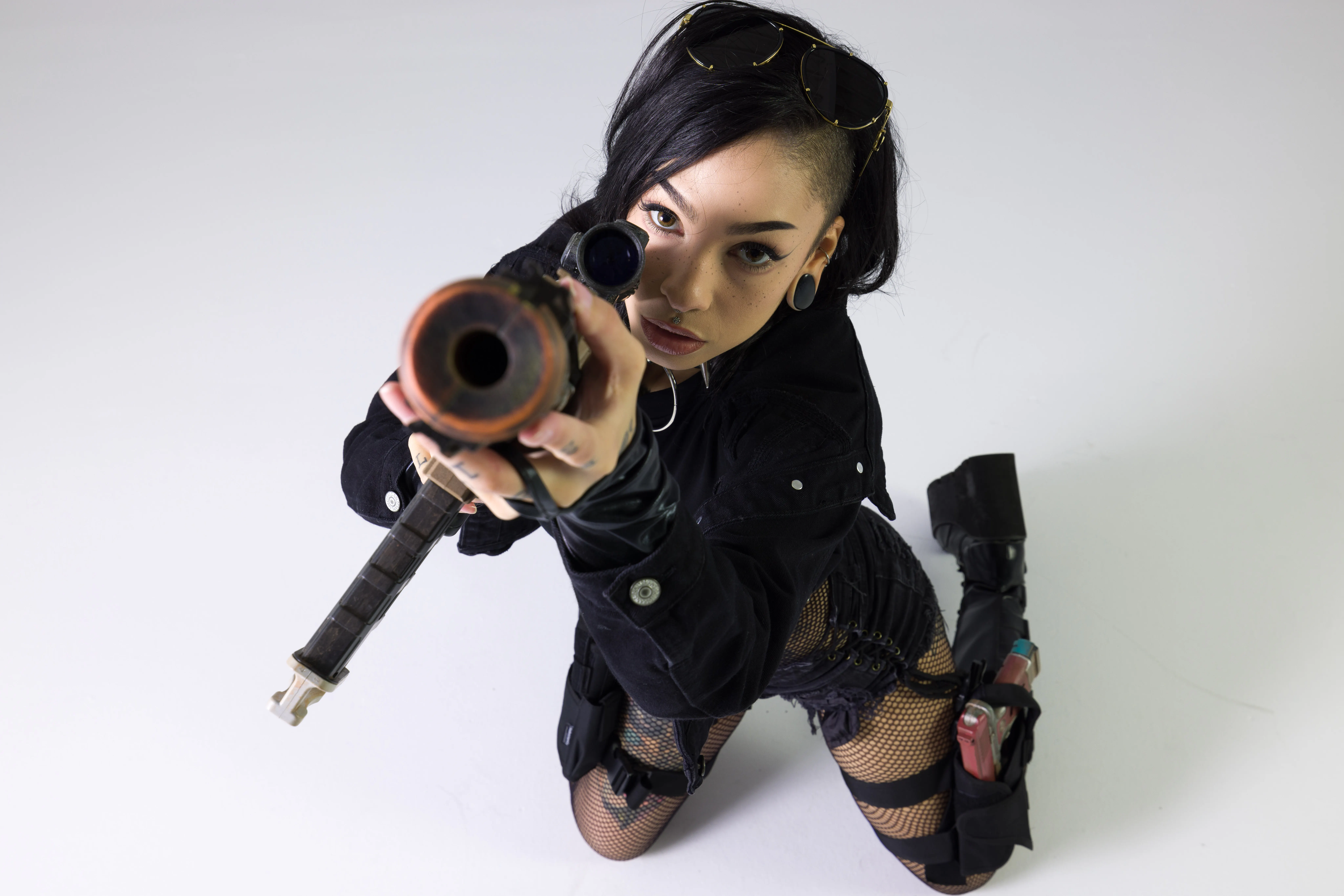
Kneeling pose references help artists study asymmetry, compressed legs, lifted arms, and poses where the body is close to the ground. These poses are useful for both gesture drawing practice and slower structure studies.
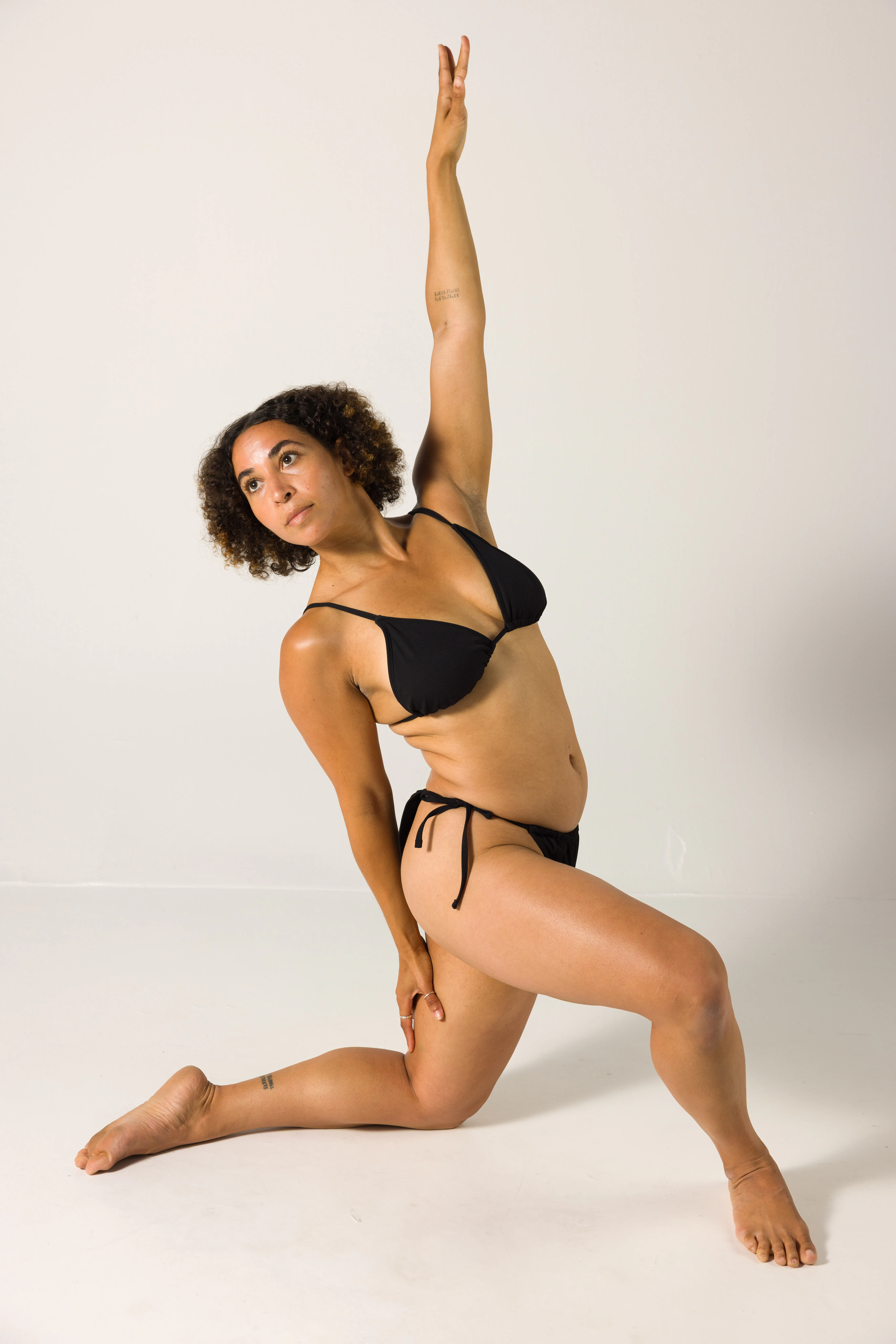
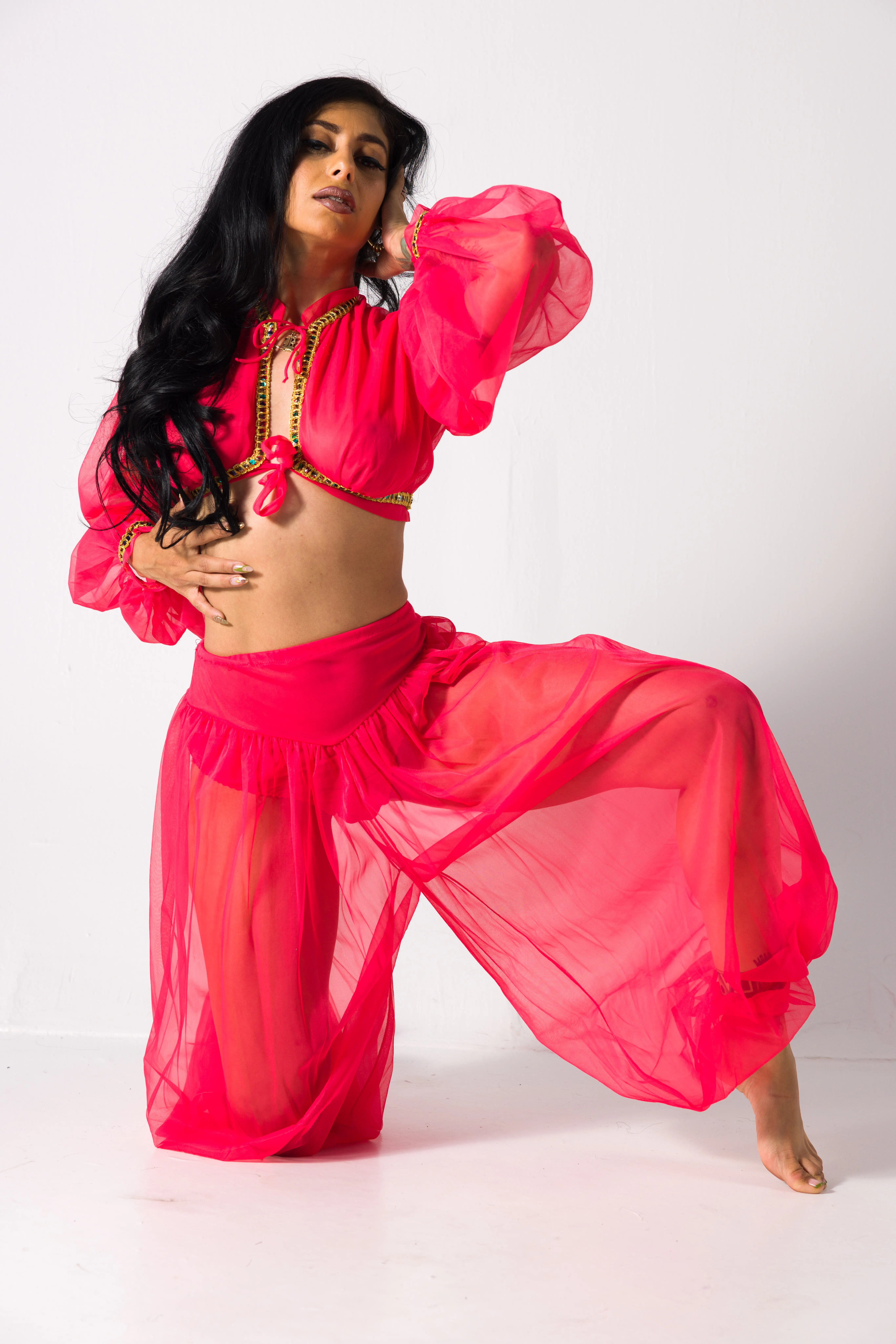
Standing and Action Pose References
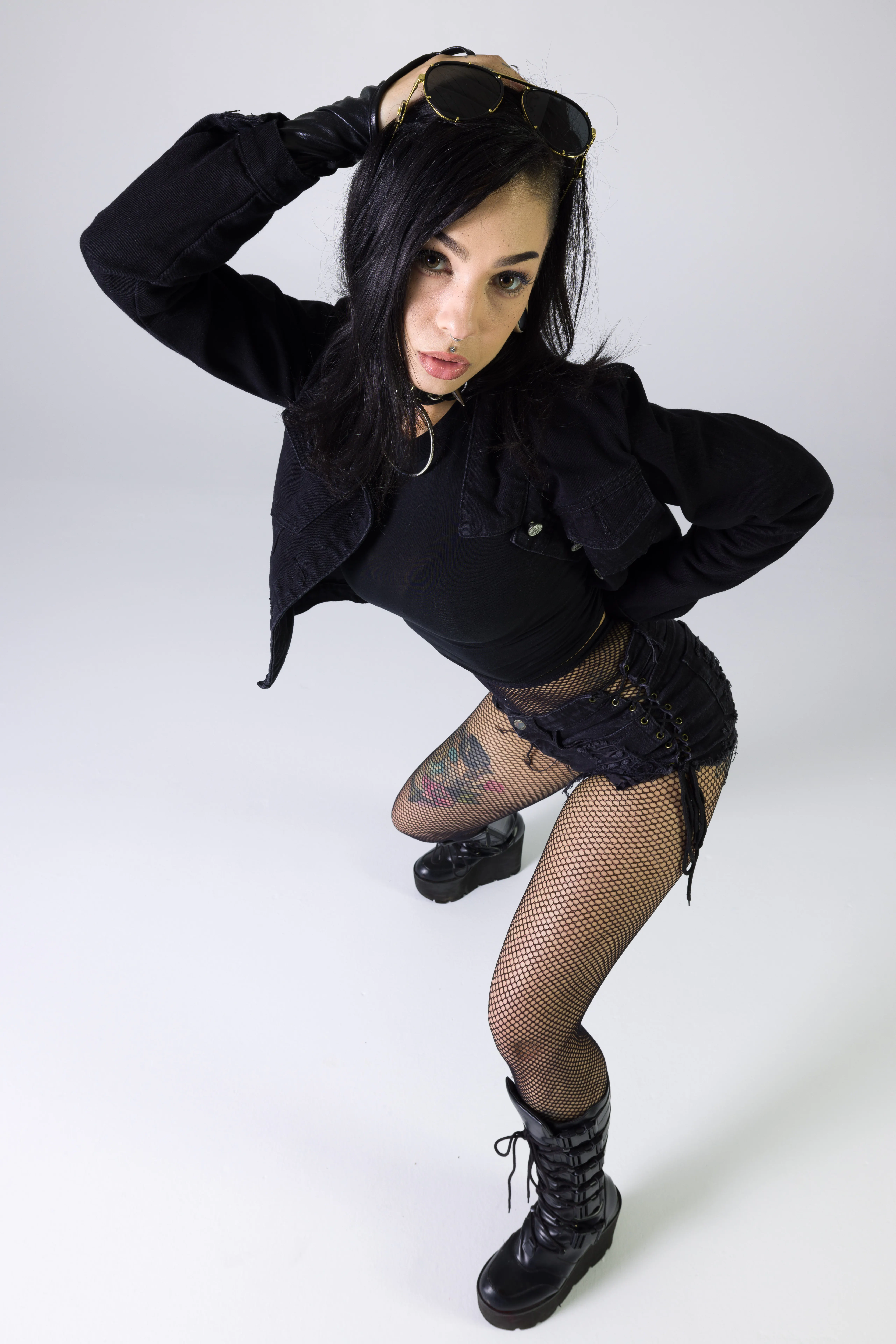
Standing and action pose references are useful for studying weight shifts, balance, and directional force. Start by finding the largest movement, then build the pose with simple forms from figure drawing proportions and structure. For an upright standing pose, compare the model's head-height and major landmarks with the 8-head proportion chart, adjusting the guide to the person in the reference.
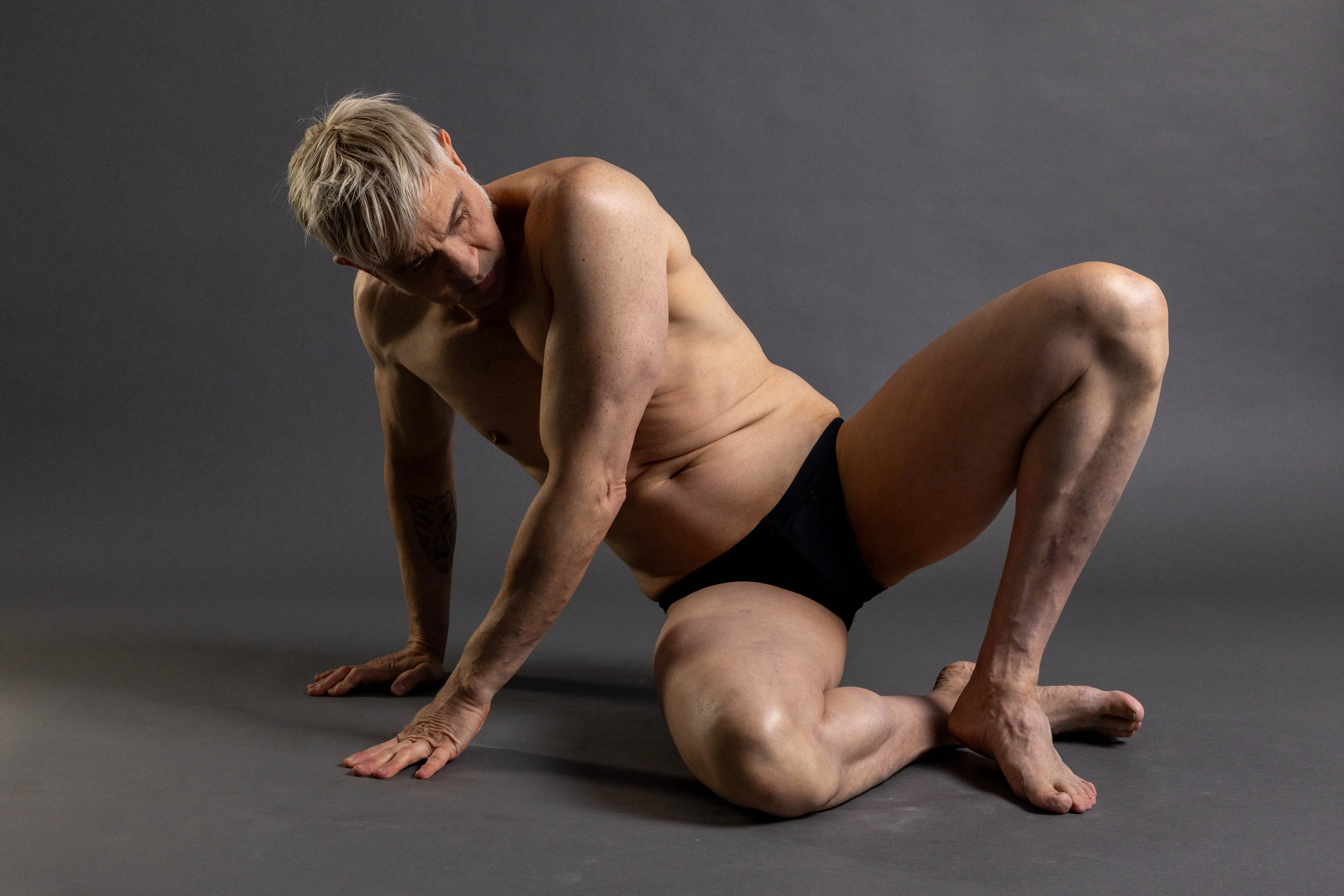
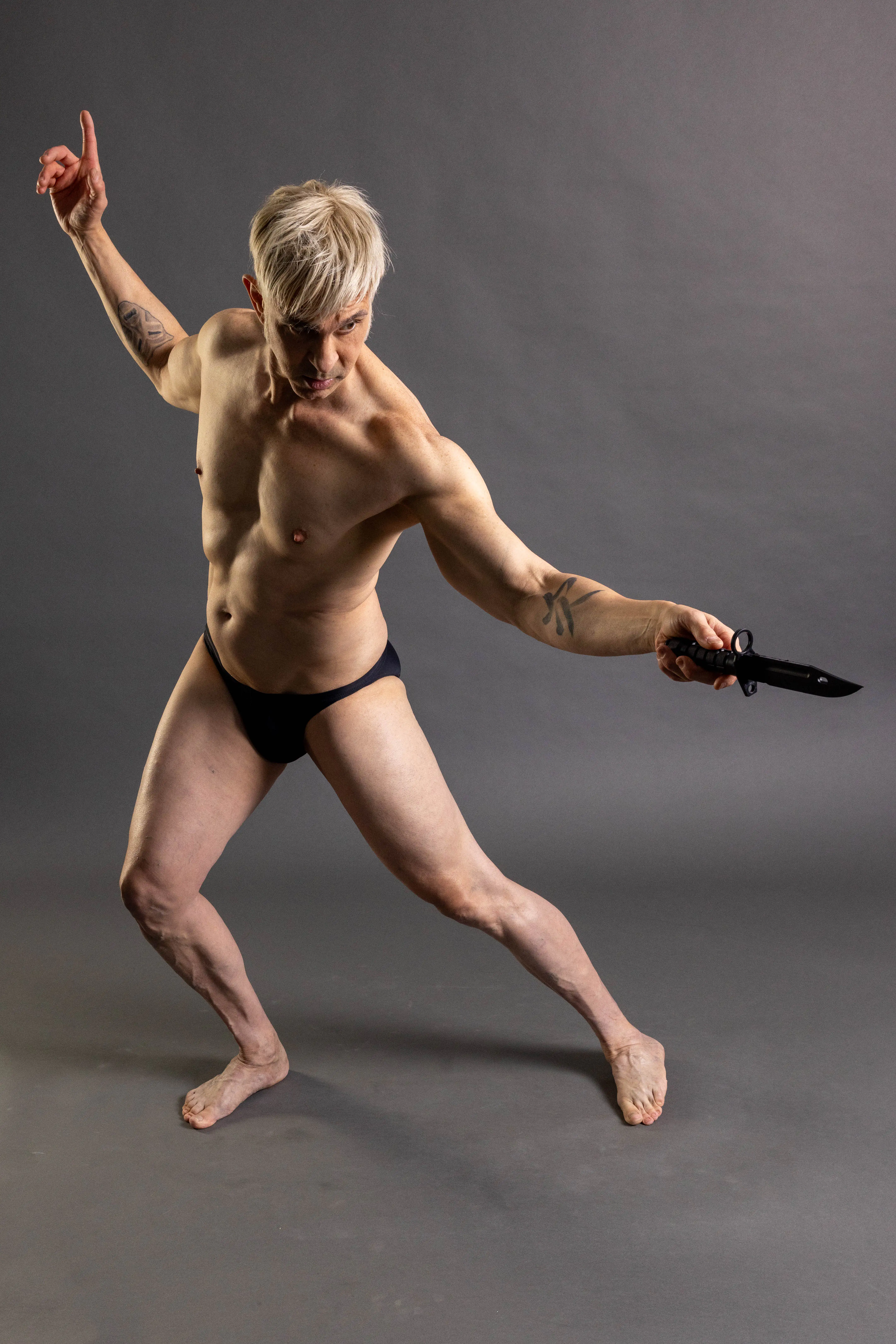
Close-Up Reference Crops
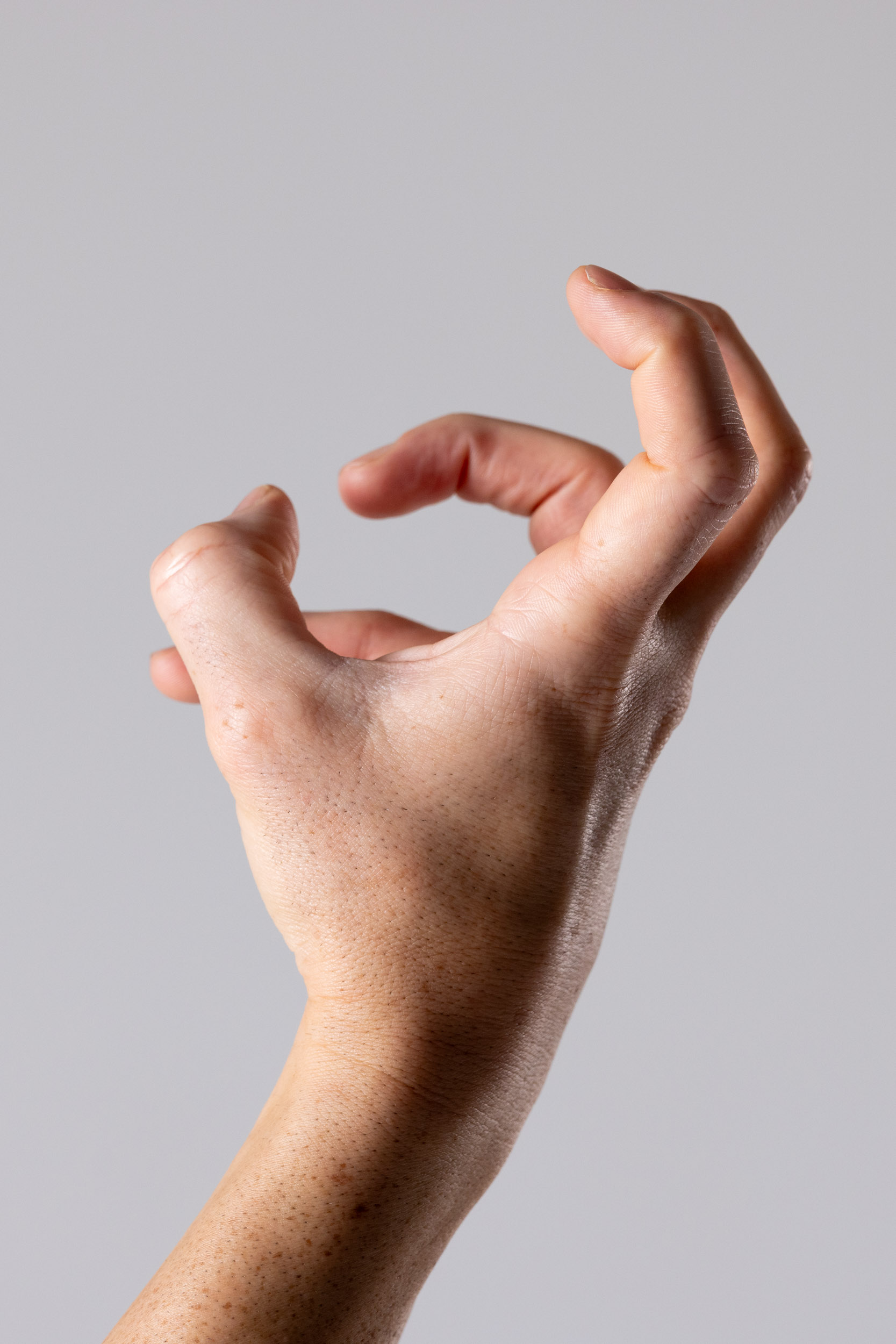
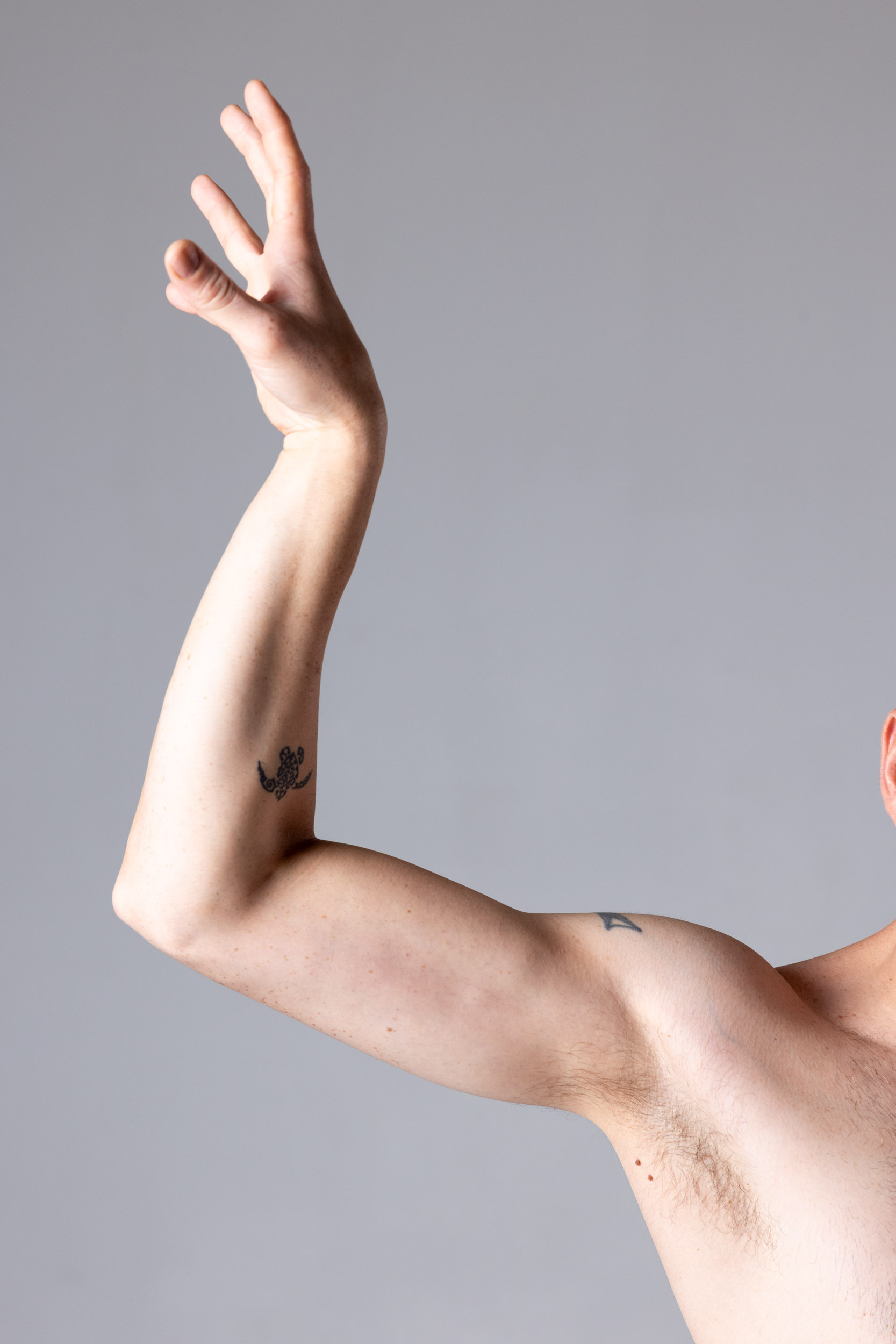
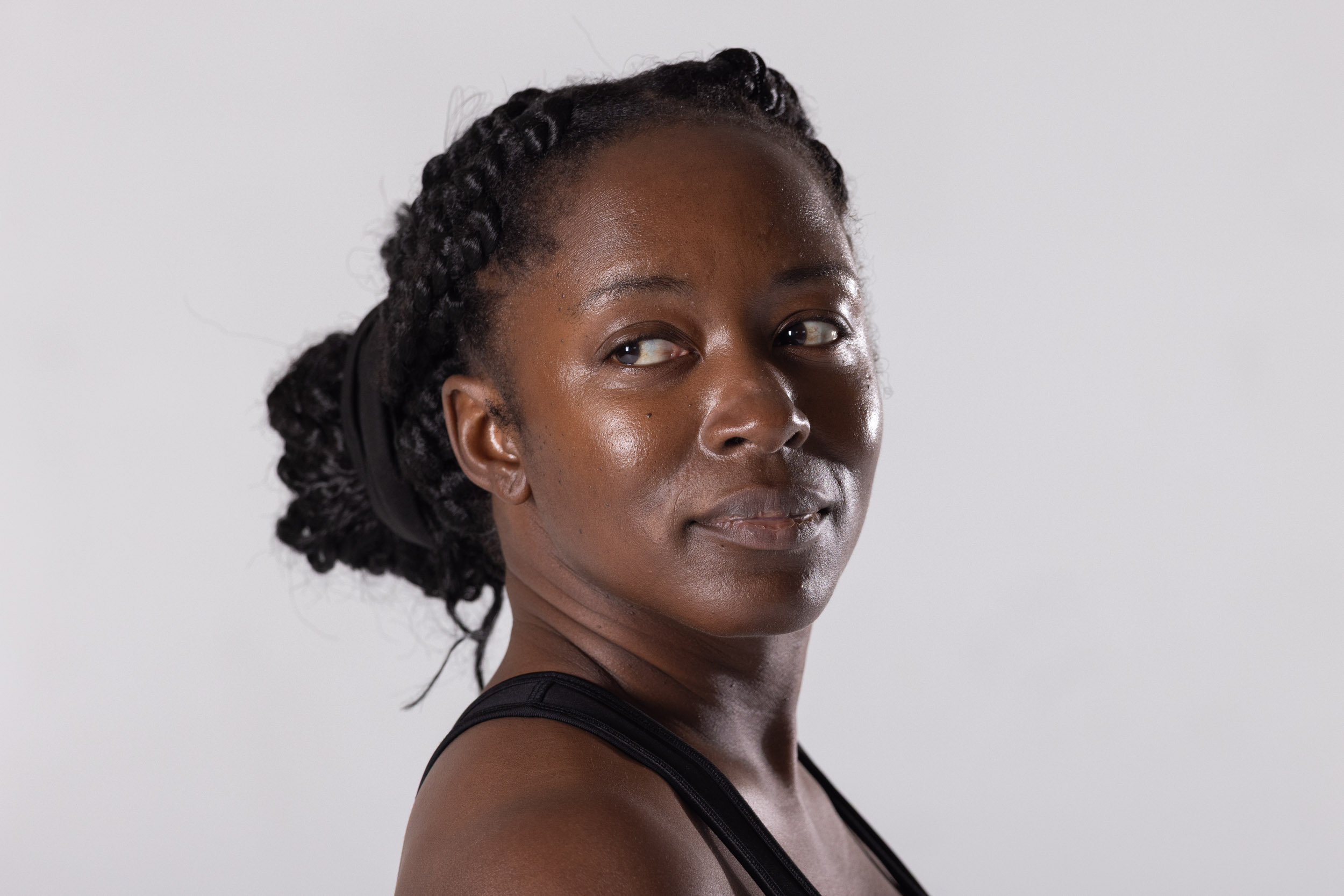
Not every useful pose reference needs to show the full figure. Close-up crops are helpful when you want to study hands, wrists, forearms, and directional anatomy without the distraction of the entire pose.

Costume and Character Pose References
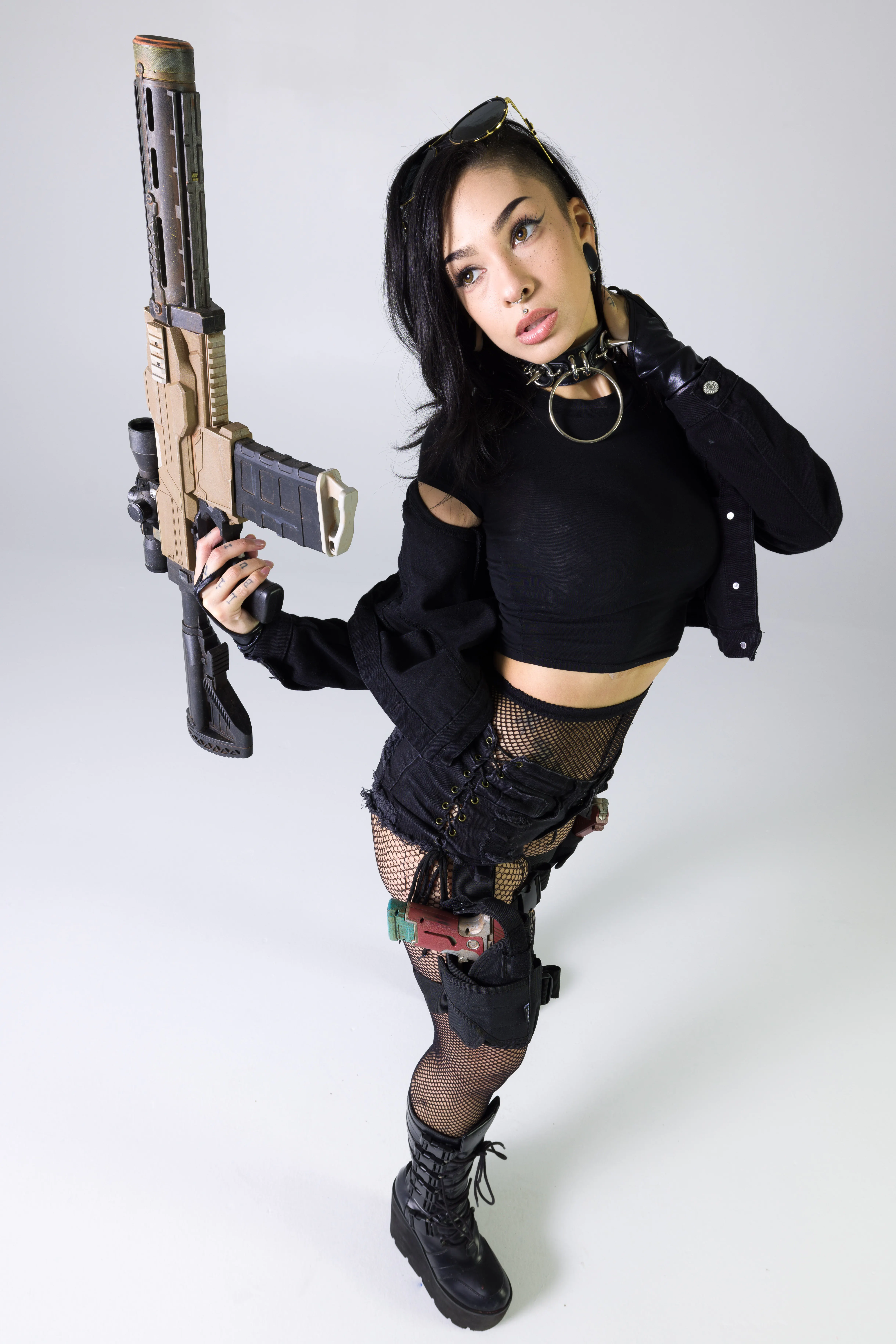
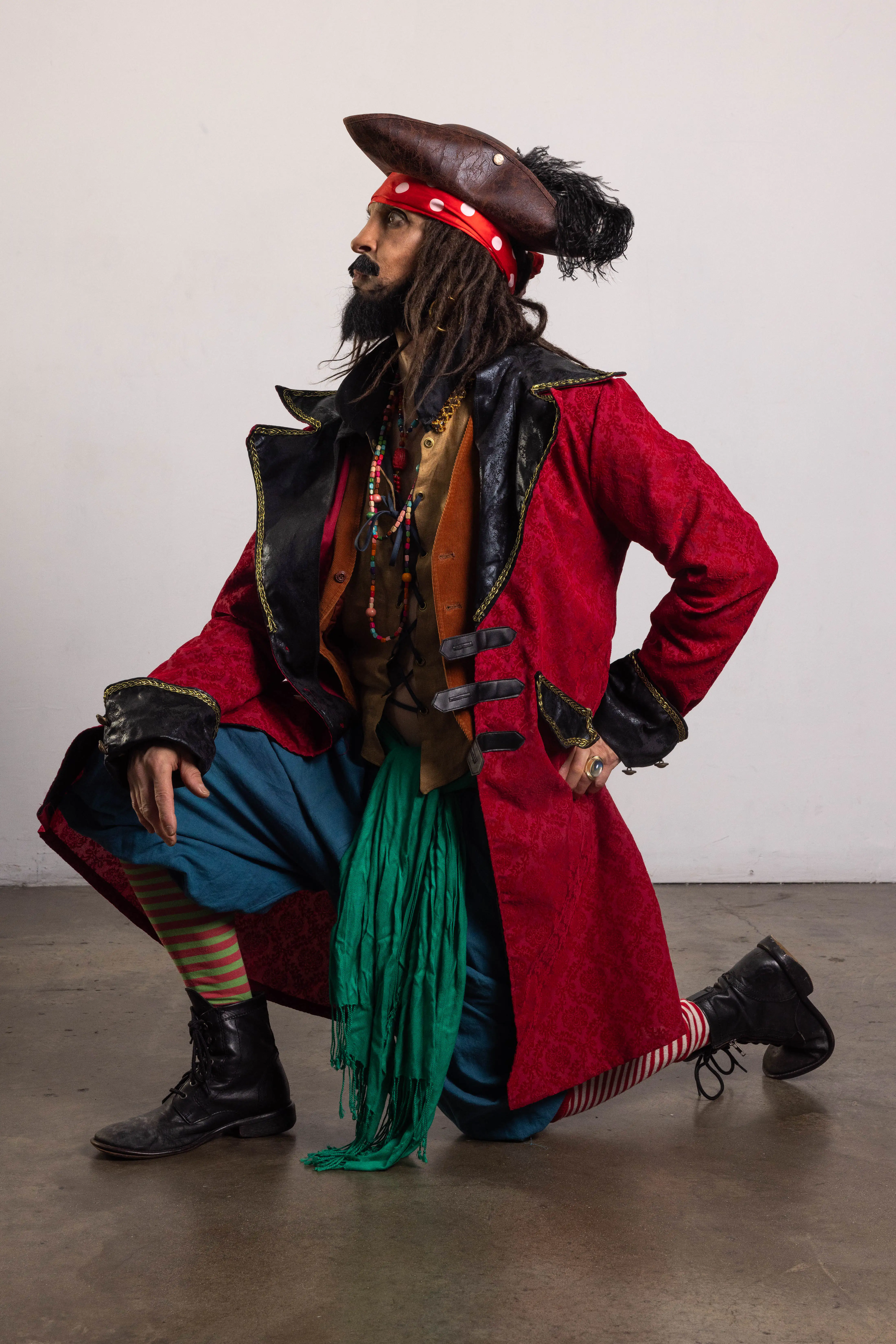
Costume and character pose references give you more than anatomy. They also provide props, clothing, and story cues that help you practice character design, staging, and expressive silhouettes.
For a deeper workflow, read how to use pose references without copying.
The goal is not to copy every costume detail. Start with the pose, identify the gesture, then decide which shapes support the character idea.
If you want a clearer sense of what photo reference can teach compared with live sessions, read Online Photo Reference vs In-Person Life Drawing .
How to Practice With Reference Poses
Reference poses work best when you choose a clear practice goal before drawing. The same image can train gesture, structure, proportion, anatomy, or character design depending on the time limit.
30-second gesture practice
Use 30-second poses to find the line of action, the largest C curve or S curve, and the overall movement. Do not worry about anatomy.
1-minute figure drawing practice
Use 1-minute poses to add secondary rhythms through the arms, legs, torso, and hips while keeping the drawing loose.
2-minute structure studies
Use 2-minute poses to add simple rib cage, pelvis, and limb forms after the gesture is clear.
5-minute anatomy and proportion studies
Use 5-minute poses to check larger proportions, landmarks, and simple anatomy without polishing too early. For session timing advice, see Timed Pose Reference.
Practice drawing from reference poses
A guided session using poses designed for artists
6 × 30-second poses
5 × 1-minute poses
5 × 2-minute poses
1 × 5-minute pose
No signup required. Just press play and draw.
Reference Pose FAQ
What are reference poses for artists?
Reference poses are visual examples artists use to practice figure drawing, gesture, anatomy, balance, and character design.
Can I use pose references for gesture drawing?
Yes. Pose references are useful for gesture drawing because they give you clear movement, weight shifts, and silhouettes to study in short timed sessions.
What poses are best for figure drawing practice?
A mix of standing, seated, kneeling, action, and costumed poses is best because each pose type trains a different drawing problem.
How long should I draw each pose?
Use 30-second poses for gesture, 1-minute poses for flow, 2-minute poses for structure, and 5-minute poses for proportion or anatomy practice.
Should artists copy pose references exactly?
No. Pose references are starting points for observation and practice. You can simplify, exaggerate, or interpret the pose depending on the exercise.