Pose Library Studio is now available. Access the full pose library and custom sessions.
Best Pencils for Figure Drawing: Pencils I Recommend
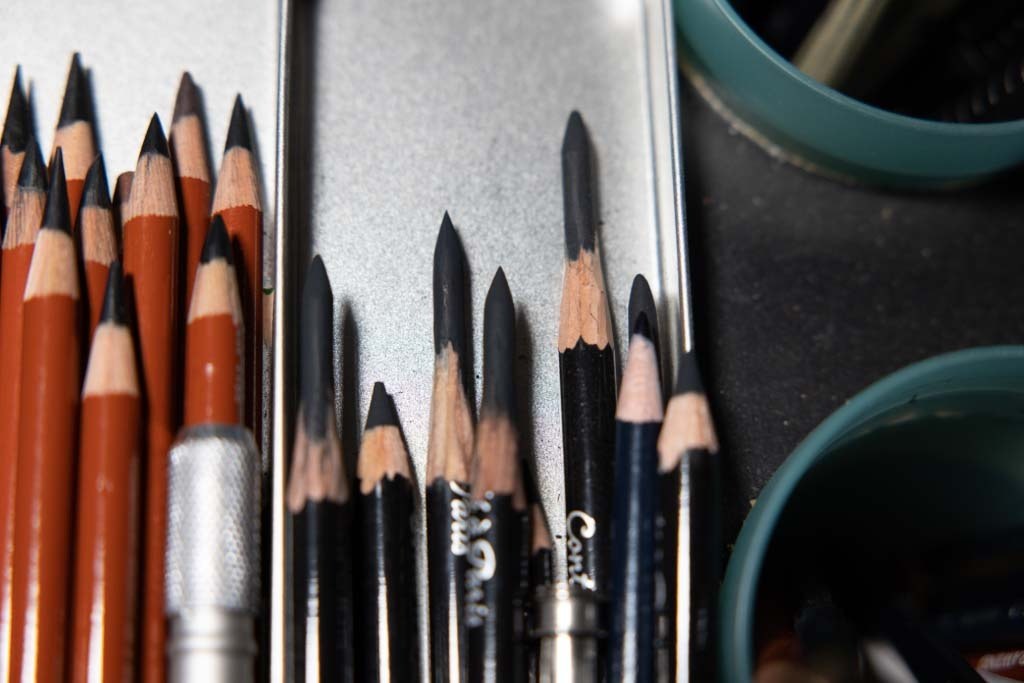
My favorite pencils for figure drawing, from smooth everyday sketching pencils to carbon and Conté pencils that produce deep, expressive blacks.
Some links in this article may be affiliate links. If you purchase through them, Pose Library may earn a small commission at no extra cost to you.
Quick Comparison of My Favorite Pencils for Figure Drawing
If you just want the short version, these are the pencils I recommend trying.
| Pencil | Feel | Best For | What I Like |
|---|---|---|---|
| Derwent Drawing Ivory Black 6700 | Very smooth | Overall figure drawing | Great value range |
| Conté Pierre Noire 1710 2B | Dry | Deep blacks | Rich, expressive marks |
| Wolff's Carbon Royal Sovereign 6B | Dry | Gesture and value studies | Dark carbon marks |
| Blackwing 602 | Smooth | Everyday sketching | Versatile and easy to use |
You really don't need expensive art supplies to start figure drawing. If all you have is a regular #2 or HB graphite pencil and some blank paper, you're good. That's enough to practice gesture, line control, proportion, and pretty much everything else you need to work on as a beginner.
That being said, I love trying different pencils.
I've found that the material inside the pencil can completely change how drawing feels. Some pencils glide across the paper and feel almost buttery, while others are dry and have a little more resistance. Some give you really deep blacks, while graphite can start getting shiny when you try to push it too dark.
None of those things automatically makes one pencil better than another. A lot of it comes down to how you like to draw.
I've also tried pencils that made beautiful marks but felt terrible against the paper. They were too scratchy, made a weird sound, or felt like they were getting caught on the surface. I couldn't get into them.
So when I'm choosing the best pencils for figure drawing, I'm not only thinking about how dark they get. I'm also looking at the range of values, how smoothly they move across the paper, how easy they are to sharpen, and whether I actually enjoy drawing with them.
Here is what I like about each of these drawing pencils.
Prefer to watch? Watch the pencil video on YouTube.
I wouldn't worry too much about finding the single "best" drawing pencil. They behave differently, and that's really the point.
If I could recommend only one thing, it would actually be to buy individual pencils instead of immediately buying a giant drawing set. Try a few different materials and figure out what feels good in your hand.
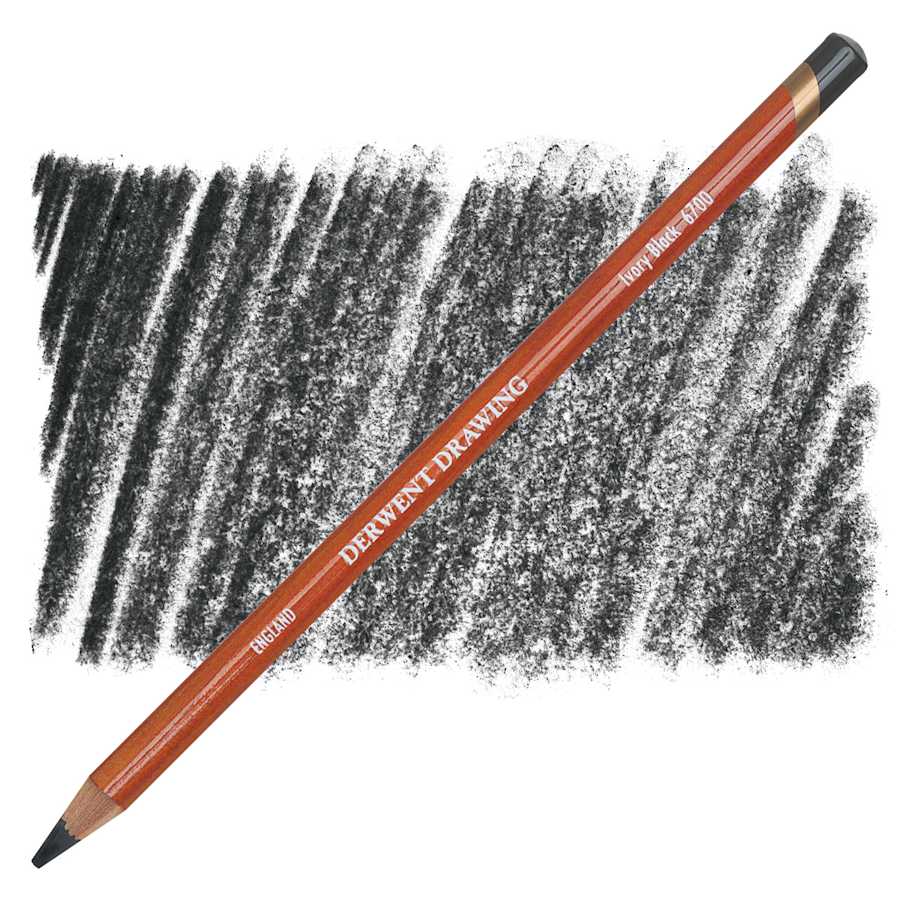
Best Overall: Derwent Drawing Ivory Black 6700
A smooth, buttery pencil for moving from light gesture lines to rich darks.
- Best for
- Gesture drawing and longer figure studies
- How it feels
- Very smooth, with little resistance on the paper
- Why I like it
- A wide value range from one pencil
The Derwent Drawing Ivory Black 6700 is probably one of my favorite pencils to draw with.
The first thing I notice when using it is the texture. It's very smooth. I usually describe it as buttery because there's very little resistance as the pencil moves across the paper.
It's a wax-based pencil, and that smoothness is one of the main reasons I enjoy it.
More importantly for figure drawing, I can get a really nice range of values out of one pencil. I can use very little pressure for light construction lines and then gradually increase the pressure to get some surprisingly dark marks.
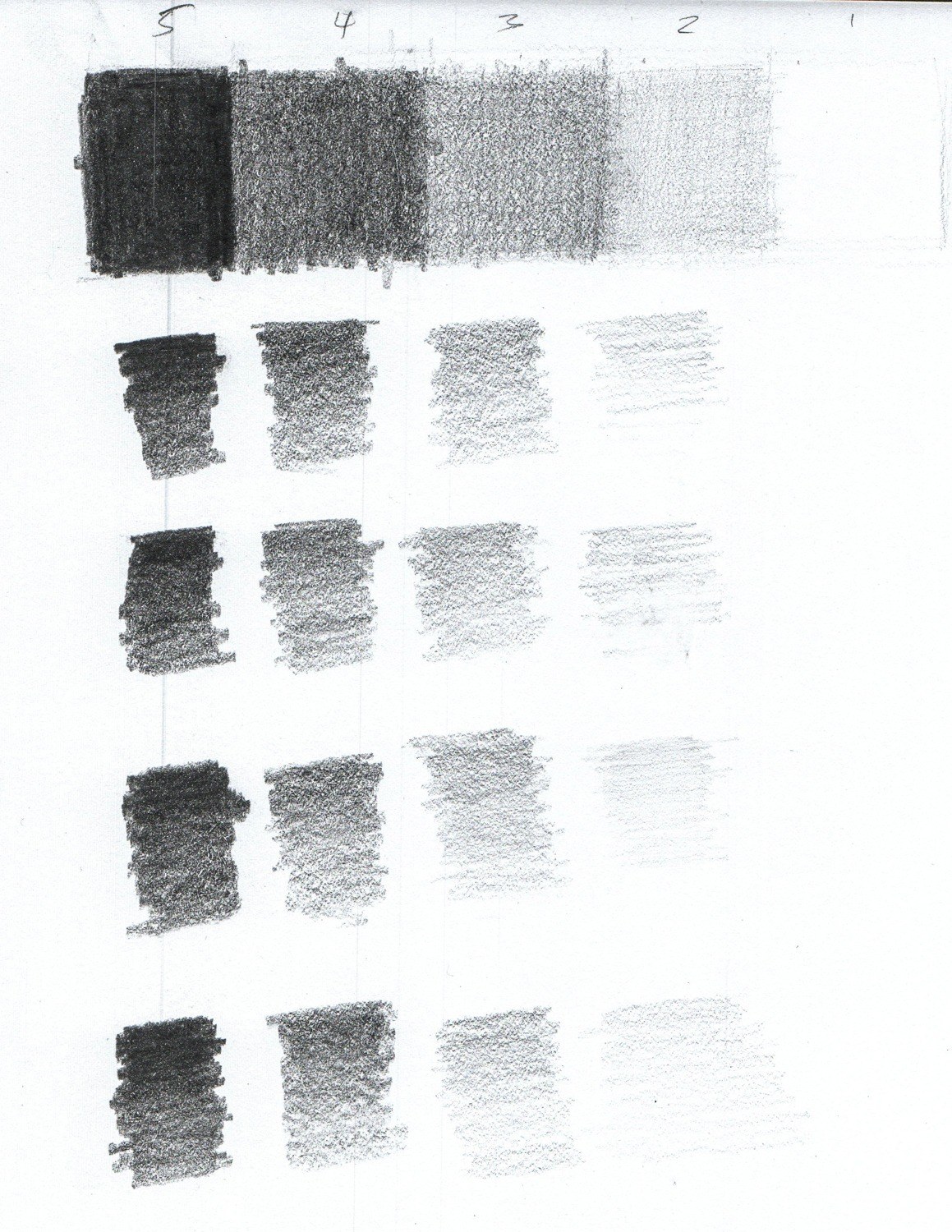
That makes it useful when I'm going from gesture into a slightly longer figure study.
I might begin with barely visible lines while I'm finding the pose, then use more pressure once I'm confident about the drawing. Instead of constantly switching between different graphite grades, I can get quite a bit of range from this one pencil.
That's something I really appreciate.
Why I Like the Derwent Drawing Ivory Black
- Very smooth texture
- Wide range of values
- Can produce deep darks
- Comfortable for longer drawing sessions
- Works well for both gesture and longer figure studies
If you've only drawn with standard graphite pencils, this is also a fun pencil to try because it immediately feels different.
Regular graphite can develop a shiny surface when you really start layering it. Depending on the lighting, that shine can make your darkest values look lighter than they actually are.
The Ivory Black doesn't behave exactly like a normal graphite pencil, so you can get a different looking dark.
I wouldn't say you need one. You definitely don't.
But if you're looking for your first specialty drawing pencil, this is where I'd probably start.
Best for: Figure drawing artists who want a smooth pencil with a wide value range.
Best for Deep Blacks: Conté Pierre Noire 1710 2B
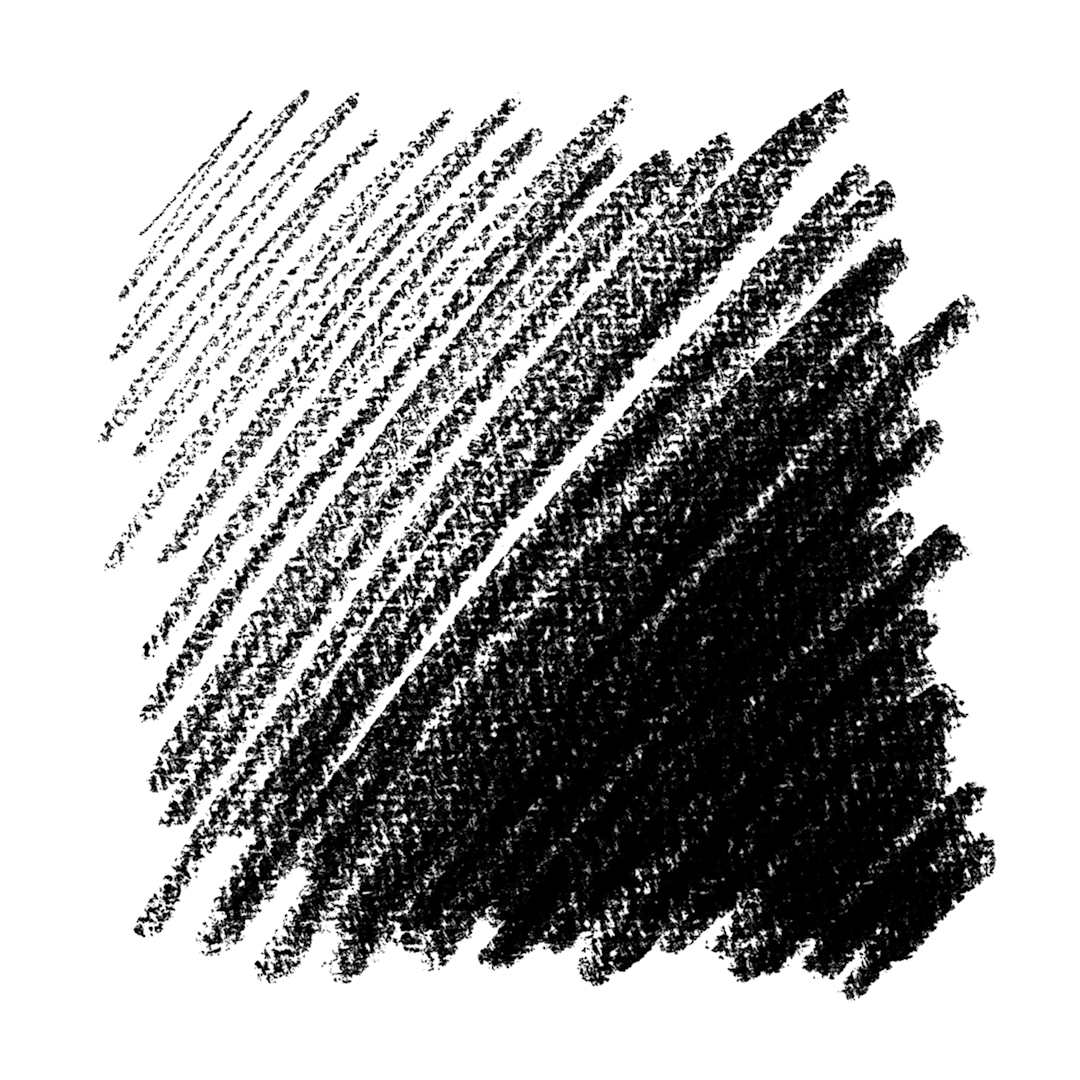
My preferred grade is 2B in the Conté Pierre Noire 1710 pencil, for rich black marks and strong shadows.
- Best for
- Deep blacks, bold marks, and value studies
- How it feels
- Dry, with more resistance than the Derwent
- Why I like it
- Strong darks without repeatedly layering graphite
I like the 2B grade of the Conté à Paris Pierre Noire 1710. It gives me a completely different drawing experience from the Derwent.
The one I use is made from a blend of carbon and black chalk, and it can produce a really rich, deep black. If I'm working on a figure drawing where I want strong shadows or bold marks, this is a great option.
The texture is noticeably drier than the Derwent.
Some people are going to like that. Some aren't.
That's why I think it's worth actually trying different drawing pencils instead of assuming the most expensive or darkest pencil will automatically be your favorite.
Personally, I like having that variety.
The darker values you can get from Conté are fantastic, especially when you're doing value studies. You can establish a strong dark relatively quickly instead of repeatedly layering graphite trying to get the value down.
There are a couple of annoyances, though.
Conté Pencils Can Be Fragile
The Conté pencils I use are thicker than standard pencils, so your normal pencil sharpener might not fit them.
You can either:
- Buy a sharpener that accepts thicker pencils
- Use a larger electric sharpener
- Sharpen them manually with a blade
There's also another problem I've run into.
The core can break inside the wooden casing.
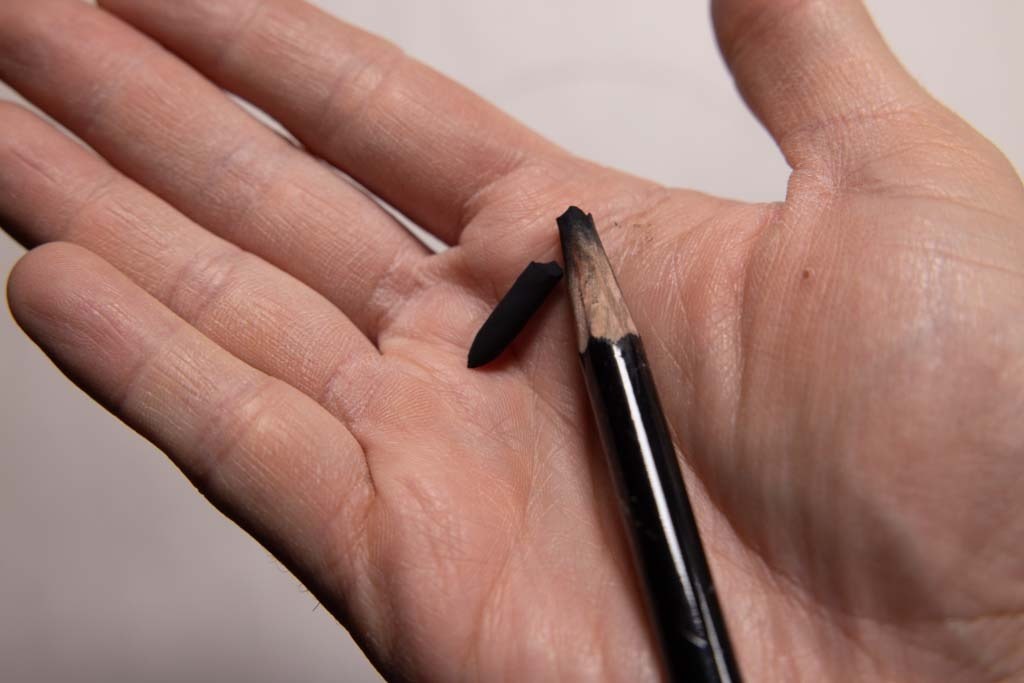
Drop the pencil and you might not even realize anything happened. Then you sharpen it, expose a beautiful new point, and the entire tip falls off.
So you sharpen it again.
It falls off again.
Yeah, it's frustrating.
I've also developed a bad habit of tapping pencils against things, which probably isn't helping.
Even with that issue, I continue using Conté because I really like the darks I can get from it.
Best for: Artists who want deep blacks, strong shadows, and bold figure drawings.
Best Carbon Pencil: Wolff's Carbon Royal Sovereign 6B
Dark carbon marks in a familiar pencil format.
- Best for
- Quick gestures and light-to-dark value studies
- How it feels
- Dry, with a noticeable feel against the paper
- Why I like it
- Dark accents and easier sharpening in a standard pencil size
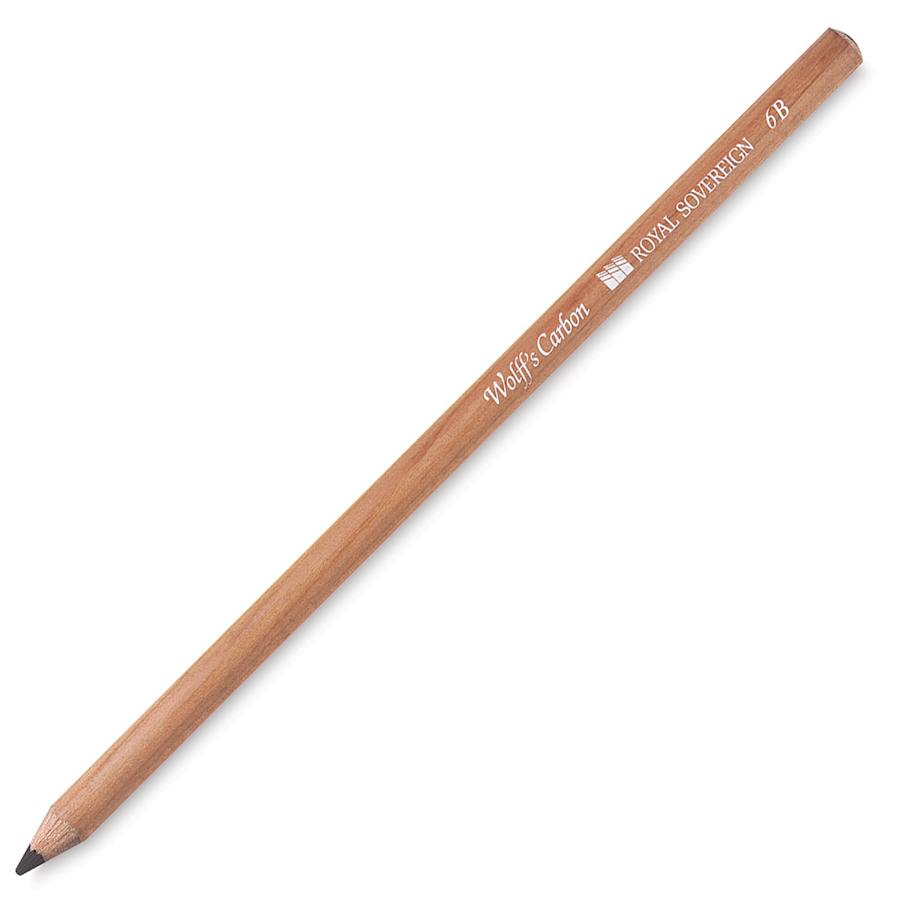
The Wolff's Carbon Royal Sovereign 6B sits in a nice middle ground for me.
It has a carbon-based core, so it can produce considerably darker marks than a regular graphite pencil, but the pencil itself is closer to a standard pencil size.
That means sharpening is easier.
You don't necessarily need a special sharpener. A normal pencil sharpener should work, although I personally like using a long-point sharpener when possible.
The pencils also feel a little less fragile than the thicker Conté pencils I've used.
That's a nice bonus.
What Does a Carbon Pencil Feel Like?
Carbon pencils tend to have a drier feel than wax or oil-based drawing pencils.
You can feel a little more interaction between the pencil and the surface of the paper.
I don't necessarily think that's good or bad.
Some artists love an extremely smooth pencil. Others like feeling a little resistance against the paper because it gives them a sense of control.
I'm somewhere in the middle.
What I really like about the Wolff's 6B is the value range. I can still make fairly light marks, but when I need something dark, I can push the pencil much further than I could with a basic HB graphite pencil.
That makes it useful for gesture drawing.
During quick poses, I might begin with very light directional lines and then hit a few important areas with darker marks. Maybe that's the weight-bearing leg, the underside of the rib cage, or a strong shadow that helps describe the pose.
You don't have much time during a 30-second or one-minute gesture.
Having a pencil that can move between light and dark quickly is useful.
Best for: Artists who want dark carbon marks in a familiar pencil format.
Best Everyday Drawing Pencil: Blackwing 602
A comfortable, versatile pencil for everyday sketching.
- Best for
- Sketchbooks and everyday figure drawing
- How it feels
- Smooth and easy to draw with
- Why I like it
- Comfortable handling and a useful range of graphite values
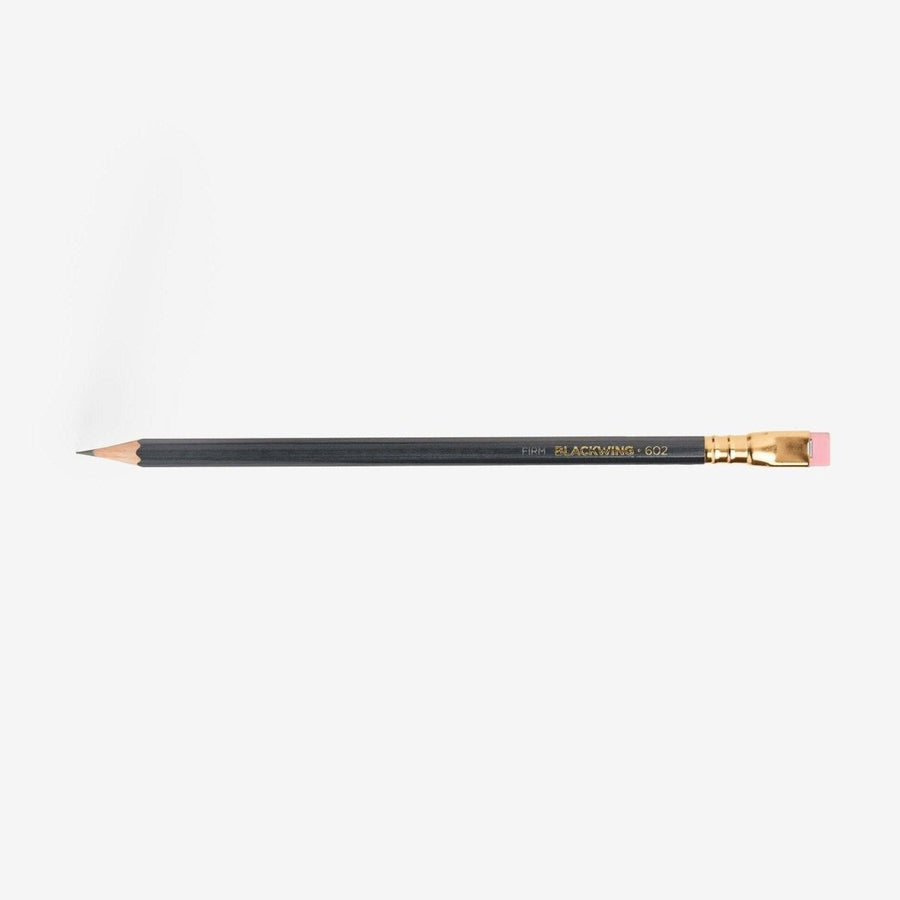
Now we get to the Blackwing 602.
I love these pencils.
I also think they're a little overpriced for a pencil.
Both things can be true.
If you've never used a Blackwing, though, I think they're worth trying at least once. There's a reason so many artists like them.
The Blackwing 602 uses a graphite and wax blend, so it has a smooth feeling when you're drawing. You can also get a surprisingly good range of values from it.
It's not going to produce the same deep black as some of the carbon or Conté pencils.
That's okay.
For general sketching, I don't always need the darkest black imaginable. I want something comfortable that lets me move between light construction lines and darker finished marks without thinking too much about the pencil.
That's where the 602 works really well.
Is the Blackwing 602 Worth It?
If you're just beginning figure drawing, I wouldn't tell you to immediately go buy a box of expensive pencils.
Use what you have.
But if you draw regularly and enjoy trying different art supplies, I'd give a Blackwing a shot.
Ideally, try one before buying a full box.
Pencil preference is surprisingly personal. Something that feels amazing to me might feel too soft or too smooth to someone else.
Best for: Everyday drawing, sketchbooks, and artists who prefer a smooth traditional pencil.
Other Pencils Worth Trying
A few more pencils to try alongside the main recommendations:
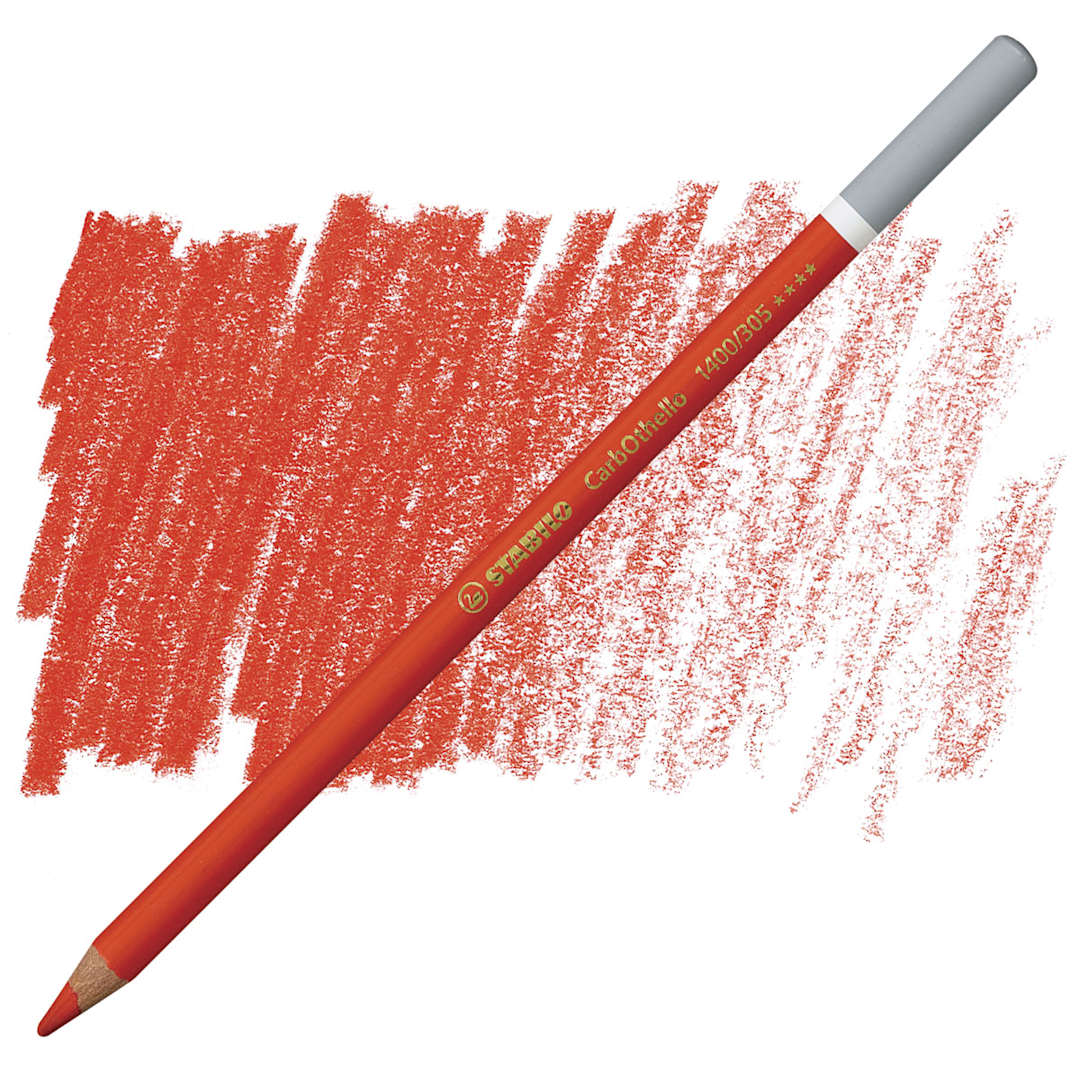
Stabilo CarbOthello #645 (Red) pastel pencil
- Best for
- Red pastel marks in figure drawings
- Paper choice
- Pastel paper or other textured paper that holds the pigment
- Keep in mind
- Pastel pencils can get messy
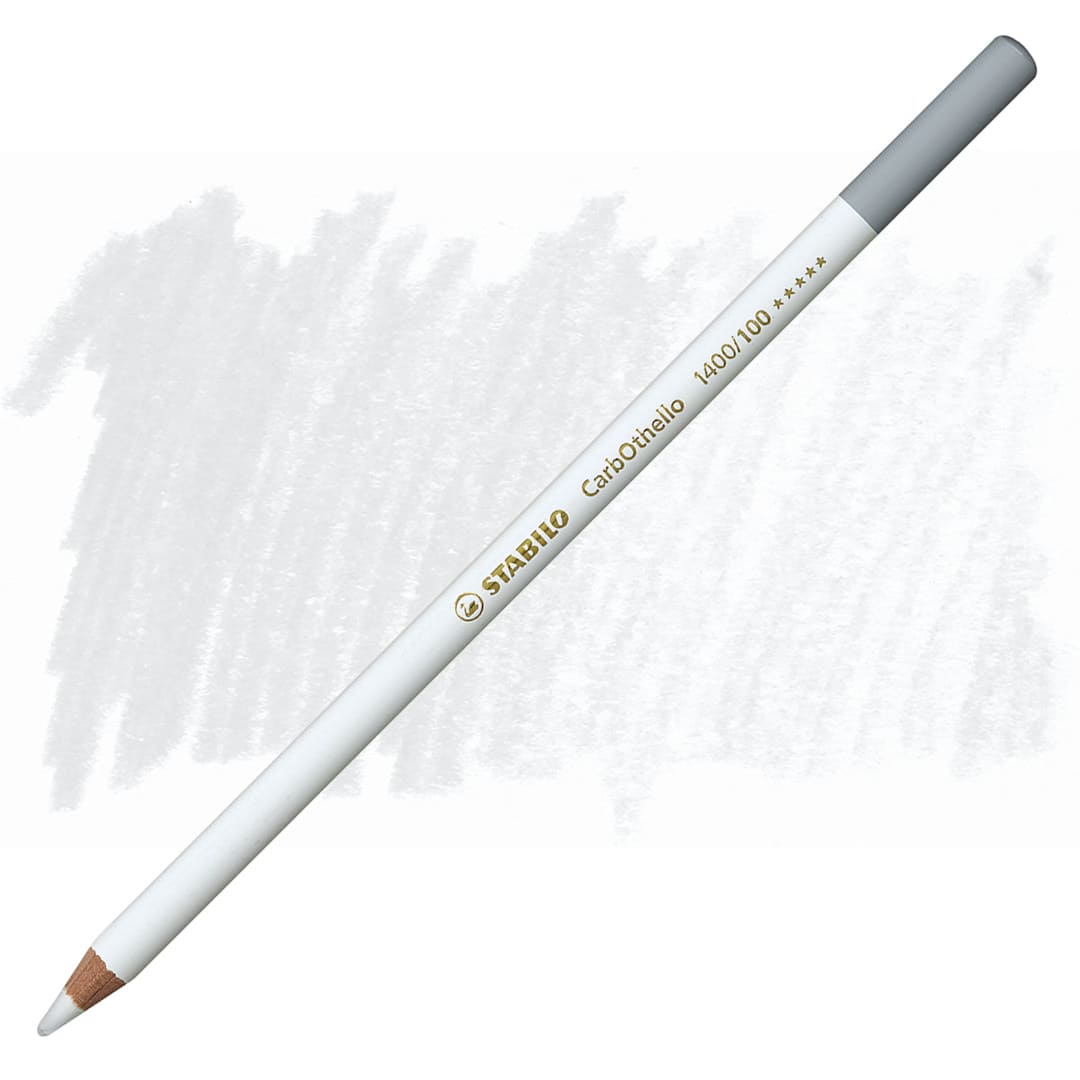
Stabilo CarbOthello #100 (White) pastel pencil
- Best for
- White marks that stand out against toned paper
- Paper choice
- Toned pastel paper or other toned paper with texture
- Keep it clean
- Drawing over other colors can dirty the white pencil. I prefer using it directly on toned paper. Pastel pencils can get messy.
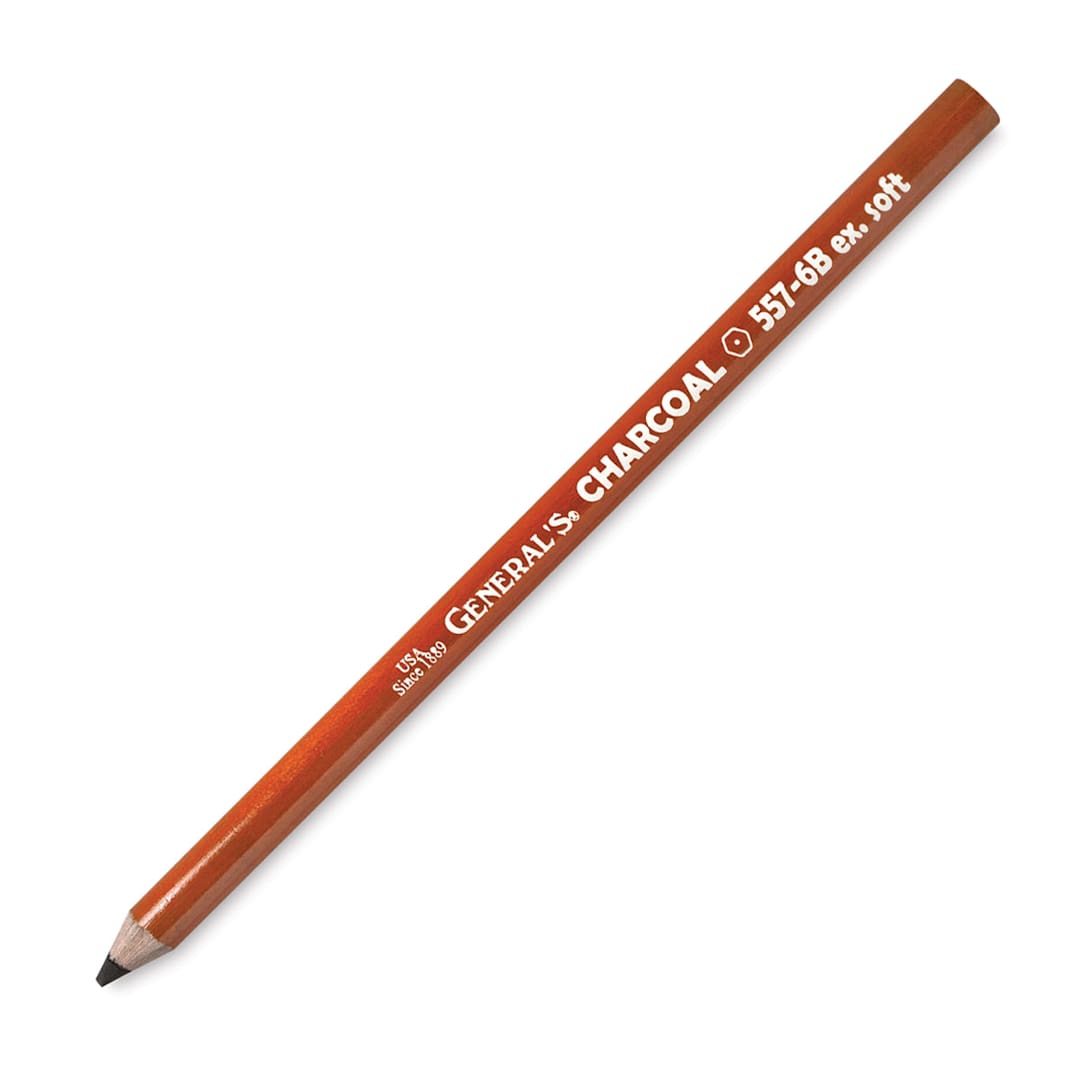
General's 6B charcoal pencil
A soft charcoal pencil for bold gesture lines and broad shadow shapes.
- Best for
- Expressive figure drawings, gesture studies, and strong dark accents
- How it feels
- Soft, with a dry charcoal feel against the paper
- Keep in mind
- Charcoal can smudge easily. Textured paper helps hold the marks, and a light touch gives you more room to build darker values.
Graphite vs Carbon vs Conté for Figure Drawing
One reason I recommend experimenting with drawing pencils is that graphite, carbon, and Conté don't behave exactly the same.
You can feel the difference almost immediately.
Graphite
Graphite is where most people start.
It's cheap, easy to find, easy to sharpen, and extremely versatile. If you have a #2 pencil sitting in a drawer, you already have a drawing pencil.
The downside is the dark end of the value range.
When graphite gets heavily layered, it can develop a glossy surface. Light reflects from that surface, which can make judging your values a little weird.
You can get around this by using different graphite grades, but then you're carrying several pencils.
Carbon
Carbon pencils can give you much deeper blacks.
They often feel drier than graphite or wax-based pencils, which makes the drawing experience a little different.
I particularly like carbon when I'm working quickly because I can establish dark accents without spending forever layering the pencil.
Conté
Conté gives you another texture entirely.
The carbon and chalk blend can create rich dark marks, and I like it for expressive figure drawings where I don't want everything to look too delicate.
The downside is that some pencils can be thicker and more fragile.
Here's the simple version:
| Material | Feel | Darkness | Good For |
|---|---|---|---|
| Graphite | Smooth | Light to dark gray | General drawing |
| Carbon | Drier | Very dark | Gesture and value |
| Conté | Dry | Deep black | Expressive drawing |
| Wax blends | Very smooth | Varies | General sketching |
Don't worry about memorizing all of this.
Grab a few pencils and make marks with them. You'll understand the differences pretty quickly.
Do Beginners Need Expensive Drawing Pencils?
No.
I really want to emphasize this because art supplies can become a distraction.
You start watching drawing videos and suddenly it seems like you need special pencils, a fancy sketchbook, a kneaded eraser, charcoal, blending stumps, expensive sharpeners and a dozen other things before you're allowed to start drawing.
You don't.
For beginner figure drawing, you need:
- A pencil
- Paper
- A comfortable place to draw
That's enough.
A regular #2 or HB pencil works perfectly fine.
In fact, I think there is some value in keeping your supplies simple when you're starting. It forces you to concentrate on line control, gesture, shape, proportion, and value instead of wondering whether you bought the correct pencil.
Better supplies won't fix a weak drawing.
That's a lesson that applies to almost every art material I've used.
Once you've been drawing for a while, then start experimenting.
And instead of buying a giant 24-pencil set, I'd rather buy two or three individual pencils made from different materials.
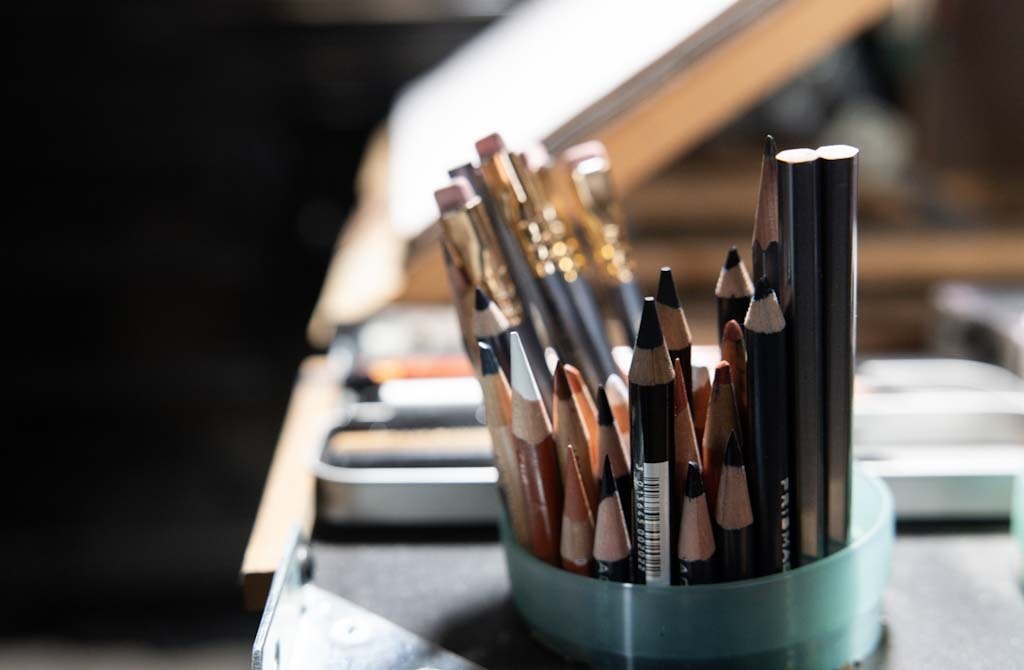
Try a graphite pencil.
Try carbon.
Try Conté.
You'll learn more about your preferences that way.
What Paper Should You Use for Figure Drawing?
The paper question is similar to the pencil question.
Don't overthink it.
For practice, newsprint is my go-to paper.
It's cheap, which is exactly what I want for gesture drawing.
When paper feels precious, there's a temptation to make every drawing good. That's the opposite mindset I want during practice.
I want to burn through pages.
Bad drawing?
Next pose.
Weird proportions?
Next pose.
Completely messed up the legs?
Who cares. Turn the page.
That's why newsprint works so well for timed figure drawing and gesture practice.
The downside is that newsprint isn't archival.
It will yellow and fade over time, so I wouldn't choose it for a finished drawing I wanted to keep or sell. For practice sketches, though, that's not really a concern for me.
Printer Paper Works Too
Regular printer paper is completely fine.
I use loose sheets when I want something simple and convenient.
You probably already have some, which makes the cost effectively zero.
Sketchbooks Are Great for Drawing Away From Home
If I'm going somewhere, I prefer carrying a sketchbook.
Everything stays together and I'm always ready to draw.
For figure drawing practice, I don't think you need an expensive sketchbook either. Look for something that feels comfortable with your pencil and isn't so expensive that you're afraid to mess up the pages.
That last part matters more than people think.
Don't Forget a Good Pencil Sharpener
You can draw with a cheap sharpener.
But I do appreciate a good one.
I like sharpeners that give me a longer point because that gives me more exposed material to work with. I can use the point for thin lines and change the angle of the pencil when I want broader marks.
An electric sharpener is convenient, especially if you're sharpening a lot of pencils during a drawing session.
Just check the opening size.
Some thicker drawing pencils won't fit a standard sharpener, which is something I learned pretty quickly with larger Conté pencils.
A good drawing sharpener should ideally:
- Produce a clean point
- Accommodate the pencils you actually use
- Avoid unnecessarily breaking fragile cores
- Be easy to empty
- Give you enough exposed tip for different types of marks
You can also learn to sharpen drawing pencils with a blade.
That gives you a very long point and a lot of control over the shape, but it's not something you need to learn immediately.
Keep things simple.
Do You Need an Eraser for Gesture Drawing?
Here's another supply you don't need right away.
An eraser.
I love erasers. They're great drawing tools.
But I actually think beginners can benefit from spending some time drawing without one.
The problem is that erasing can become a habit.
You draw a line.
It looks wrong.
Erase it.
Draw another line.
Erase it.
Eventually you're spending more time correcting lines than learning how to place them.
Instead, practice drawing lightly.
If the first line is wrong, leave it there and place the corrected line next to it.
As your drawing develops, those light construction marks can be covered by darker, more confident lines.
This does two useful things.
First, it teaches line control.
Second, you can actually see your thought process afterward.
Those incorrect marks aren't always a bad thing. They're evidence of how you found the drawing.
For your first gesture drawing exercises, I'd leave the eraser on the other side of the room.
Which Figure Drawing Pencil Should You Buy?
If you're trying to decide between these pencils, here's how I'd break it down.
Choose the Derwent Drawing Ivory Black 6700 if:
You want a very smooth drawing pencil with a wide range of values and strong darks.
This would probably be my first recommendation if you want to try something noticeably different from normal graphite.
Choose Conté if:
You want deep blacks and expressive marks.
It's particularly nice for strong value studies, but be prepared for a drier feel and potentially more fragile core.
Choose Wolff's Carbon Royal Sovereign 6B if:
You want dark carbon marks without moving to a thicker pencil.
It's a nice option for gesture drawing because you can move quickly between light construction marks and stronger dark accents.
Choose the Blackwing 602 if:
You want a smooth everyday drawing pencil.
It's more expensive than a basic pencil, but it's comfortable, versatile, and works really well in a sketchbook.
Stick With an HB or #2 Pencil if:
You're completely new to figure drawing.
Seriously.
Don't buy something because you think better supplies will make you draw better.
Start drawing first.
Once you begin wondering, "What would this look like with a darker pencil?" or "I wish this pencil felt smoother," then you're ready to start experimenting.
Final Thoughts on the Best Pencils for Figure Drawing
I don't think there's one best pencil for figure drawing.
There are pencils I prefer, and there are pencils that work better for certain kinds of drawings.
The Derwent Drawing Ivory Black 6700 is one of my favorites when I want a smooth feel and broad value range. Conté gives me those rich, deep blacks. Wolff's Carbon Royal Sovereign 6B gives me a dark carbon pencil that's relatively easy to sharpen, and the Blackwing 602 is just a really enjoyable everyday drawing pencil.
But none of them are required.
You can do an incredible amount of figure drawing practice with a #2 pencil and cheap paper.
That's where I'd start.
Then experiment.
Try one new pencil instead of buying ten. Pay attention to how it moves across the paper, how dark it gets, how lightly you can draw with it, and whether you actually enjoy using it.
Eventually you'll develop preferences.
You might love smooth wax-based pencils. You might discover that you prefer the dry feeling of carbon. You might hate the pencil I love.
That's part of drawing.
The supplies are tools, and the "best" tool is usually the one that gets out of your way and lets you focus on the figure in front of you.
So don't get too carried away with materials.
Grab a pencil, grab some paper, and start drawing.