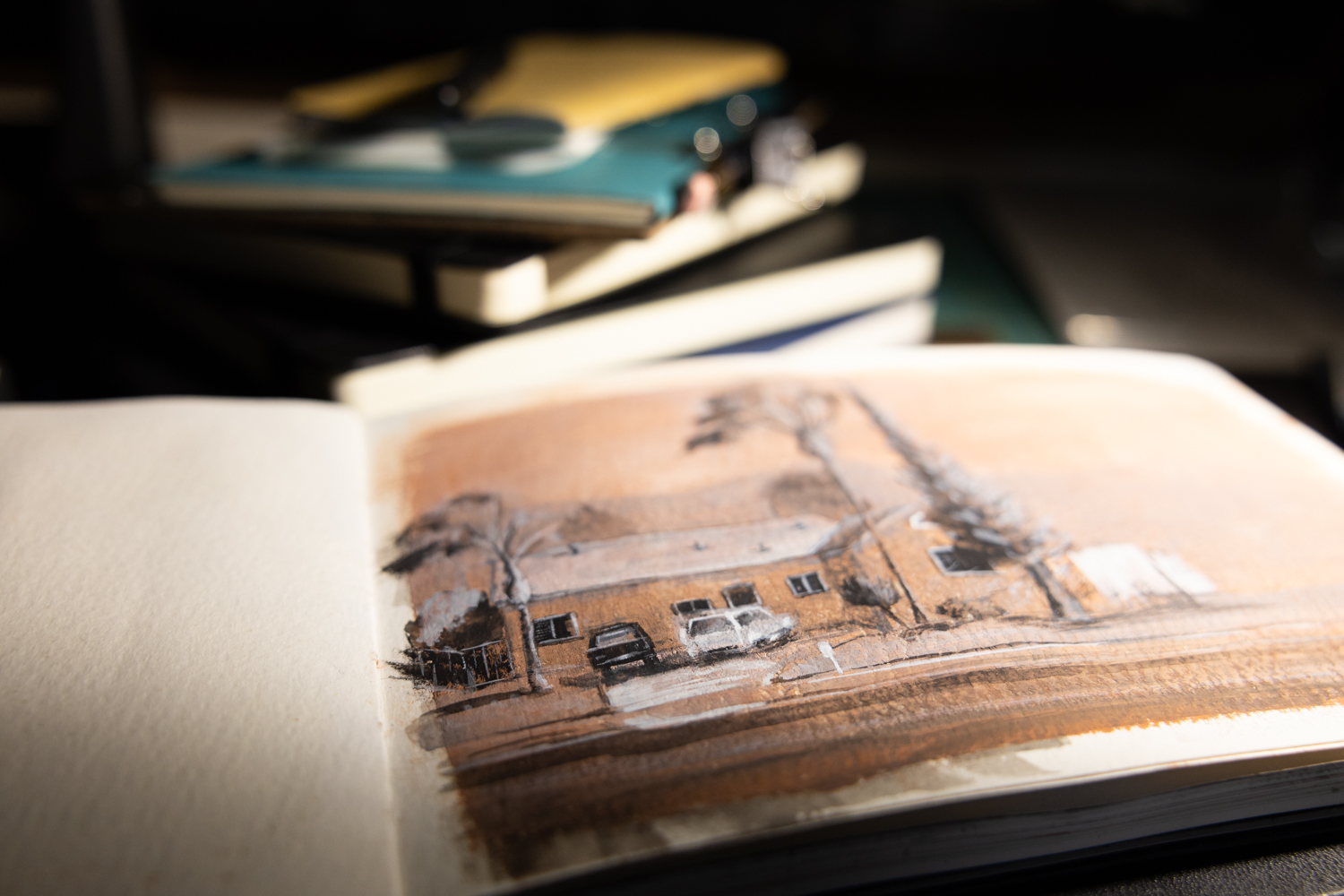
Best Sketchbooks for Gesture Drawing Practice
The best sketchbooks and drawing papers for gesture drawing practice, including newsprint, drawing pads, and professional paper used by artists.
Gesture drawing moves fast. If you have ever been to a life drawing session, you know the rhythm. The model takes a pose. The timer starts. Thirty seconds later the instructor calls time and everyone flips to the next page.
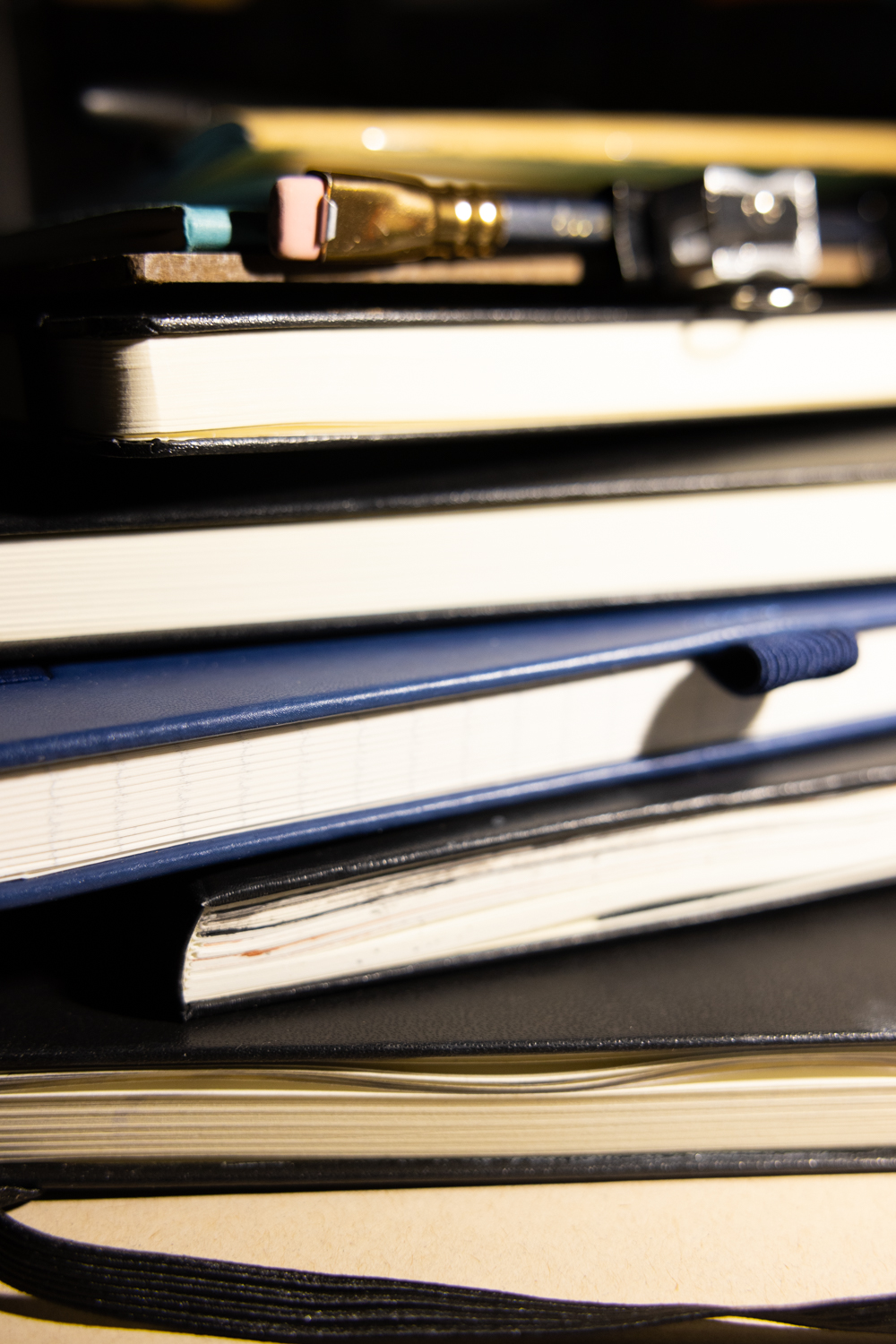
In that environment, the type of paper you use can make a big difference. Over the years I have tried a lot of different sketchbooks for gesture drawing practice. Some work well for quick sketches. Others are better for longer poses or more refined figure studies. Eventually I settled on a handful of papers and sketchbooks that consistently work well for gesture drawing.
If you also want solid study material alongside your practice paper, pair this list with the best books for figure drawing.
Below are some of the best sketchbooks for gesture drawing practice, along with a few options that work well for different materials, budgets, and drawing situations.
Some links in this article may be affiliate links. If you purchase through them, Pose Library may earn a small commission at no extra cost to you.
What Makes a Good Sketchbook for Gesture Drawing?
Gesture drawing is different from most other types of drawing. The goal is to capture movement, rhythm, and energy, not small details. Because of that, the best sketchbooks for gesture drawing tend to share a few important characteristics.
First, page size matters. Larger pages allow you to draw from the shoulder instead of the wrist, which helps create more fluid lines.
Second, paper cost matters. Gesture drawing involves producing a large number of drawings in a short time. If the paper is too expensive, you may find yourself holding back instead of drawing freely.
Third, paper surface matters. Some artists prefer smoother paper for graphite, while others prefer a little texture when using charcoal or ink.
The ideal sketchbook for gesture drawing is usually something affordable, durable, and large enough to move your arm freely.
Recommended Sketchbooks and Papers
The options below cover different types of gesture drawing practice, from cheap high-volume drills to more refined figure studies. The best choice depends on whether you care most about size, cost, portability, or finish.
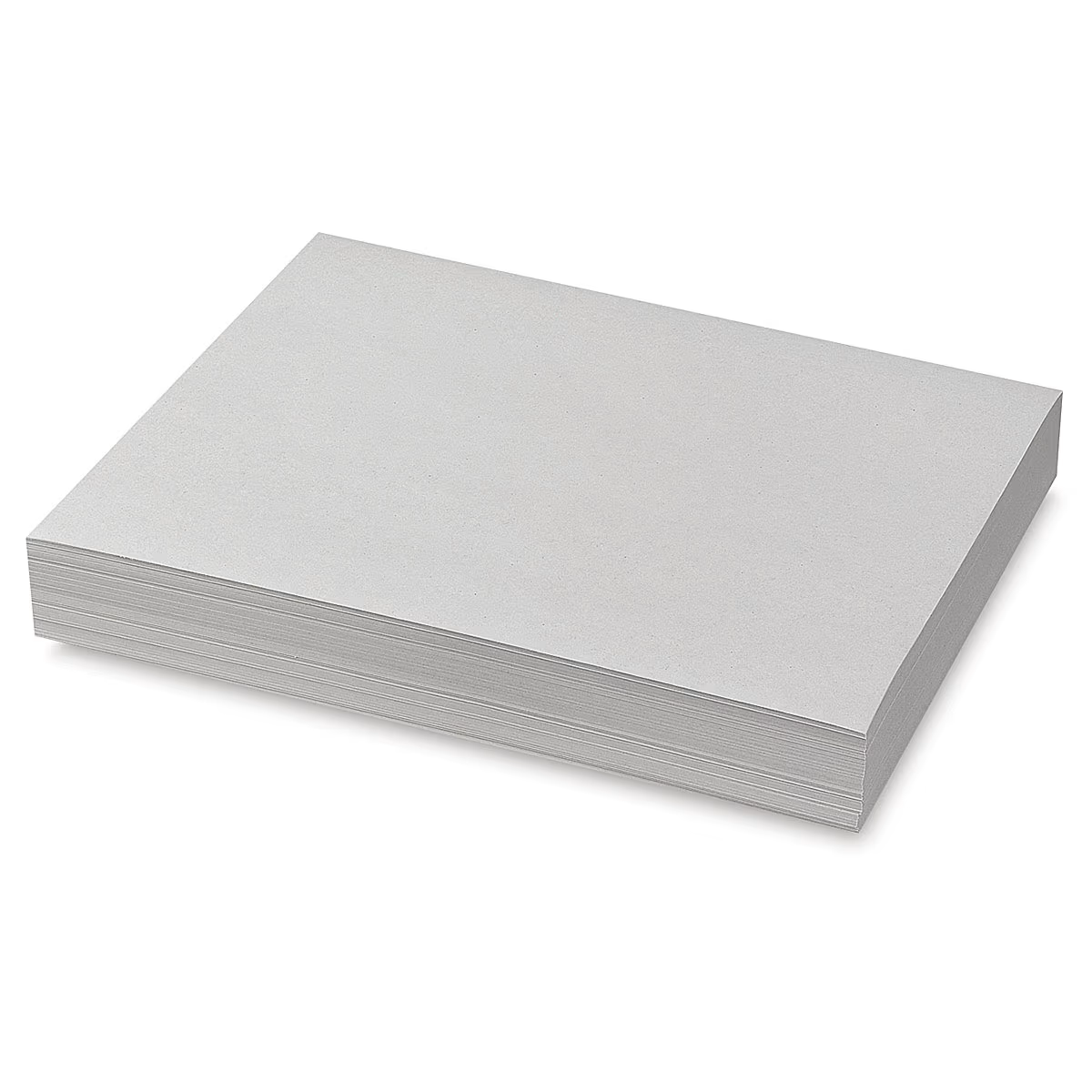
Pacon All Purpose Newsprint Sheets
Even though this is not a sketchbook, it is a preferred practice paper for artists who want a large, affordable surface for gesture drawing.
- Best for
- Large figure sketches, warm-up sessions, home practice, and drawing from the shoulder.
- Why it works
- Loose newsprint gives you more room to move and makes it easier to draw with your whole arm instead of getting stuck in small wrist movements.
- Size tip
- If you have the space for it, get the largest size. A large surface is perfect for expressive gestures that take advantage of your arm's full range of motion.
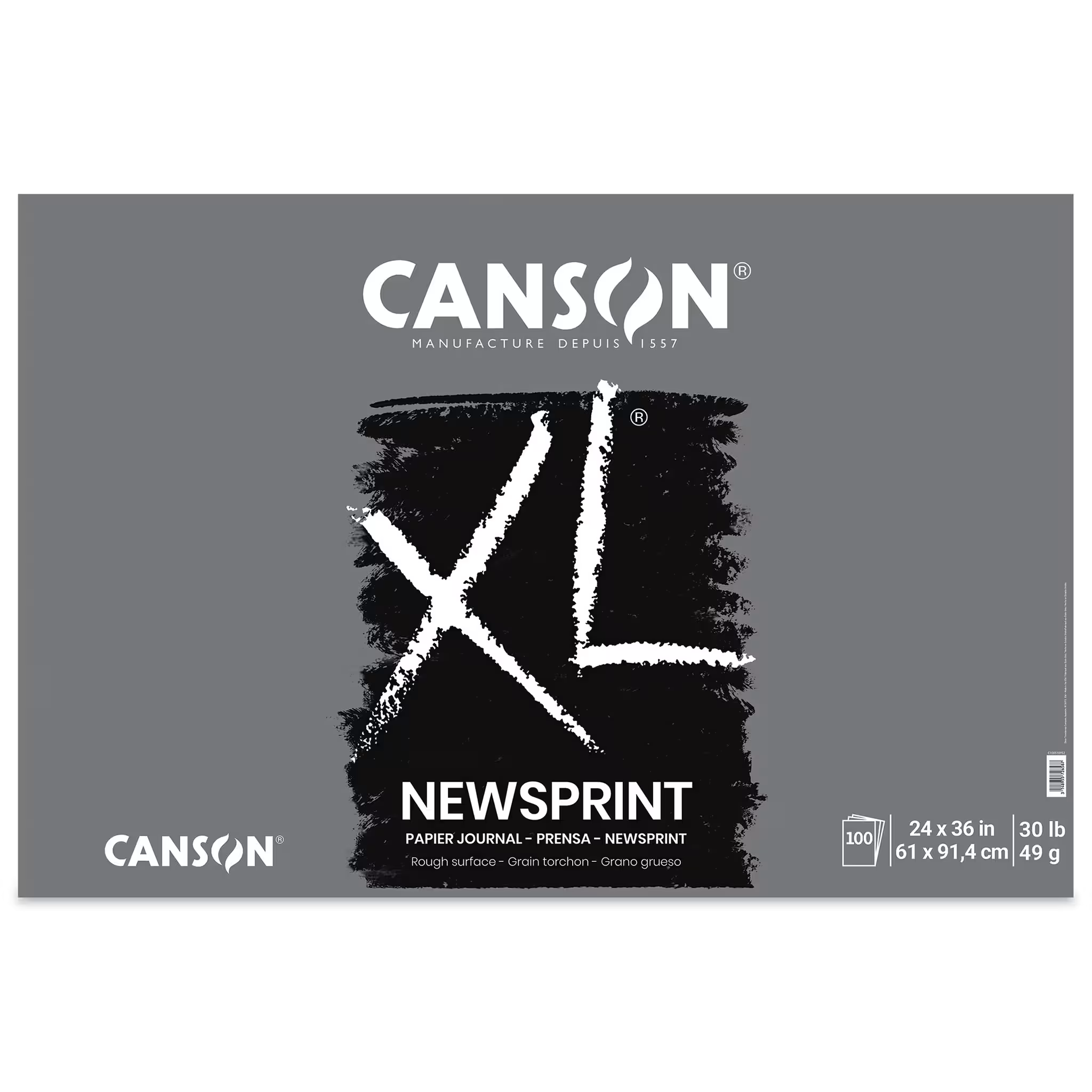
Canson XL Newsprint Pad
Newsprint is one of the most common papers used in figure drawing classes, and for good reason. The Canson XL Newsprint Pad is lightweight, affordable, and designed specifically for quick sketches and practice drawings.
- Best for
- Warm-ups, timed gestures, figure drawing drills, and fast compositional studies.
- Why it works
- The paper is cheap enough that you can draw freely without worrying about wasting materials. It works well with graphite, charcoal, and colored pencil.
- Tradeoff
- It is not archival and it is not ideal for wet media or finished drawings.
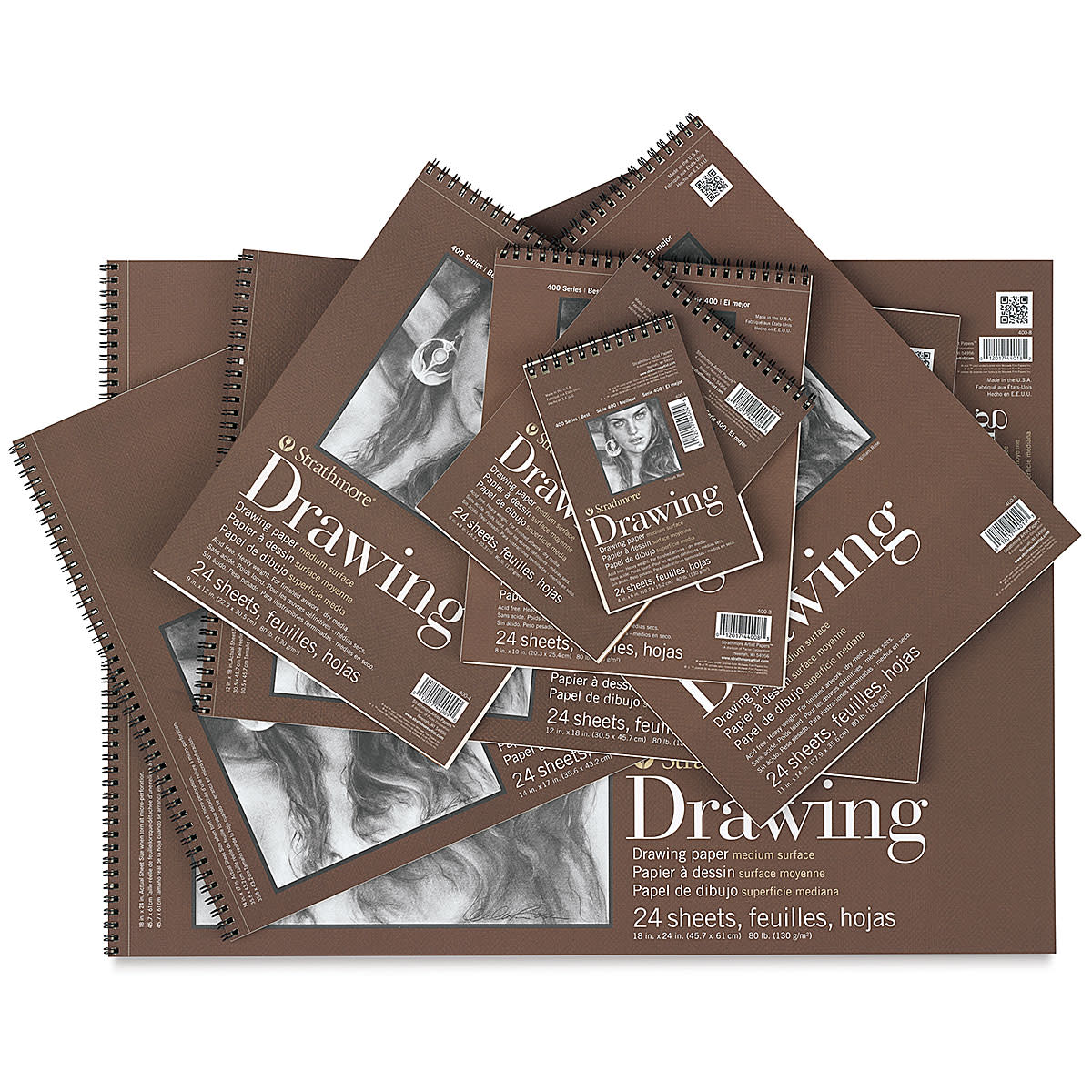
Strathmore 400 Series Drawing Pads
If you want something slightly more durable than newsprint, Strathmore 400 Series Drawing Pads are a strong option. They are commonly used in art schools because they balance quality and affordability.
- Best for
- Gesture sessions that include longer poses, erasing, and a little more layering.
- Why it works
- The medium tooth paper works well with graphite, charcoal, and ink. The wire binding lies flat and the backing board makes it easy to work outside the studio.
- Tradeoff
- It costs more than newsprint, so it is not always the best choice for very high-volume drills.
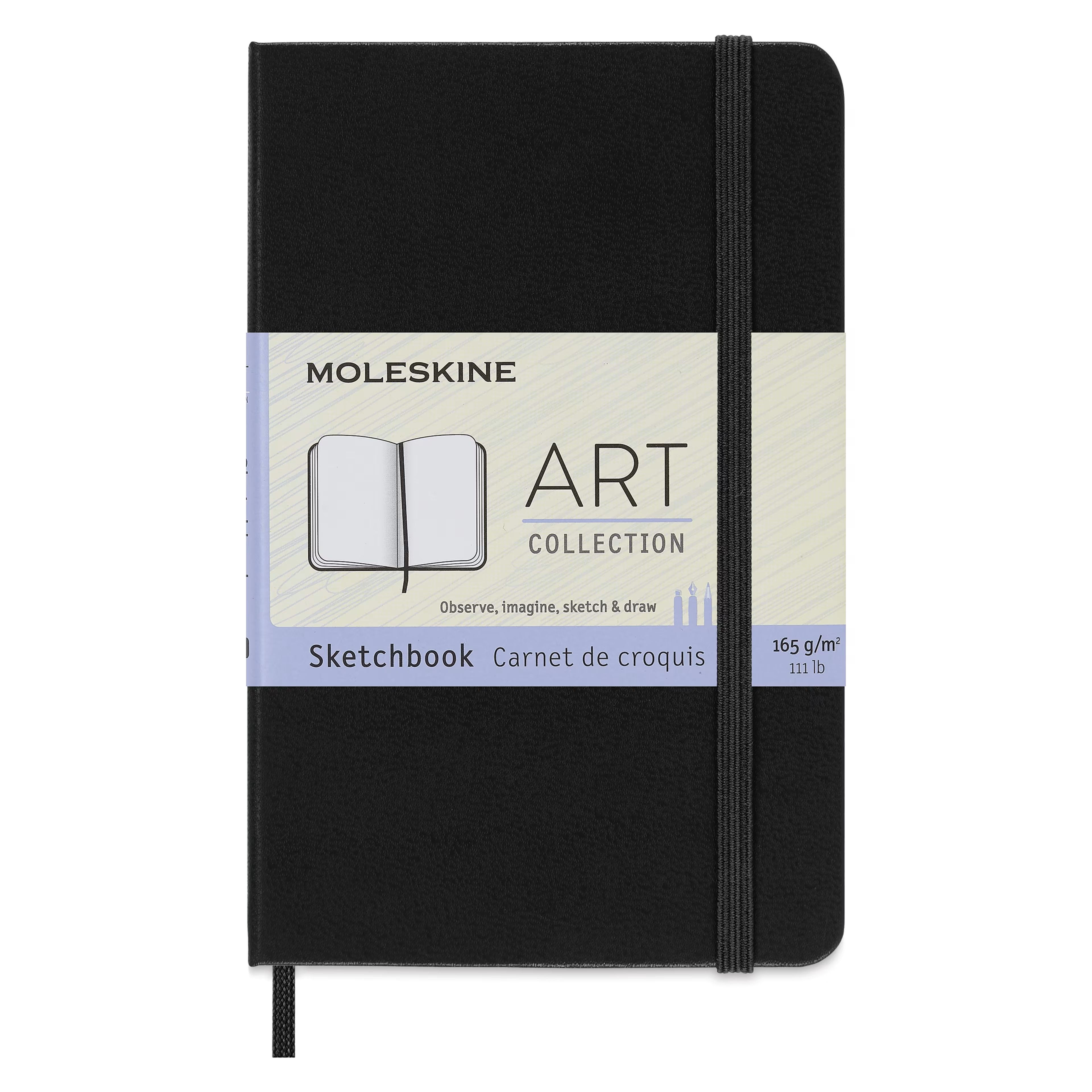
Moleskine Sketchbook
Sometimes the best sketchbook for gesture drawing is simply the one you have with you. The Moleskine sketchbook is portable, durable, and easy to carry everywhere.
- Best for
- Travel sketching, cafes, public spaces, quick figure studies, and idea generation.
- Why it works
- The hardcover protects the pages and the compact format makes it easy to fit gesture drawing into everyday life.
- Tradeoff
- The page size is smaller than a newsprint pad, so it is not the best option if you want big shoulder-driven gestures.
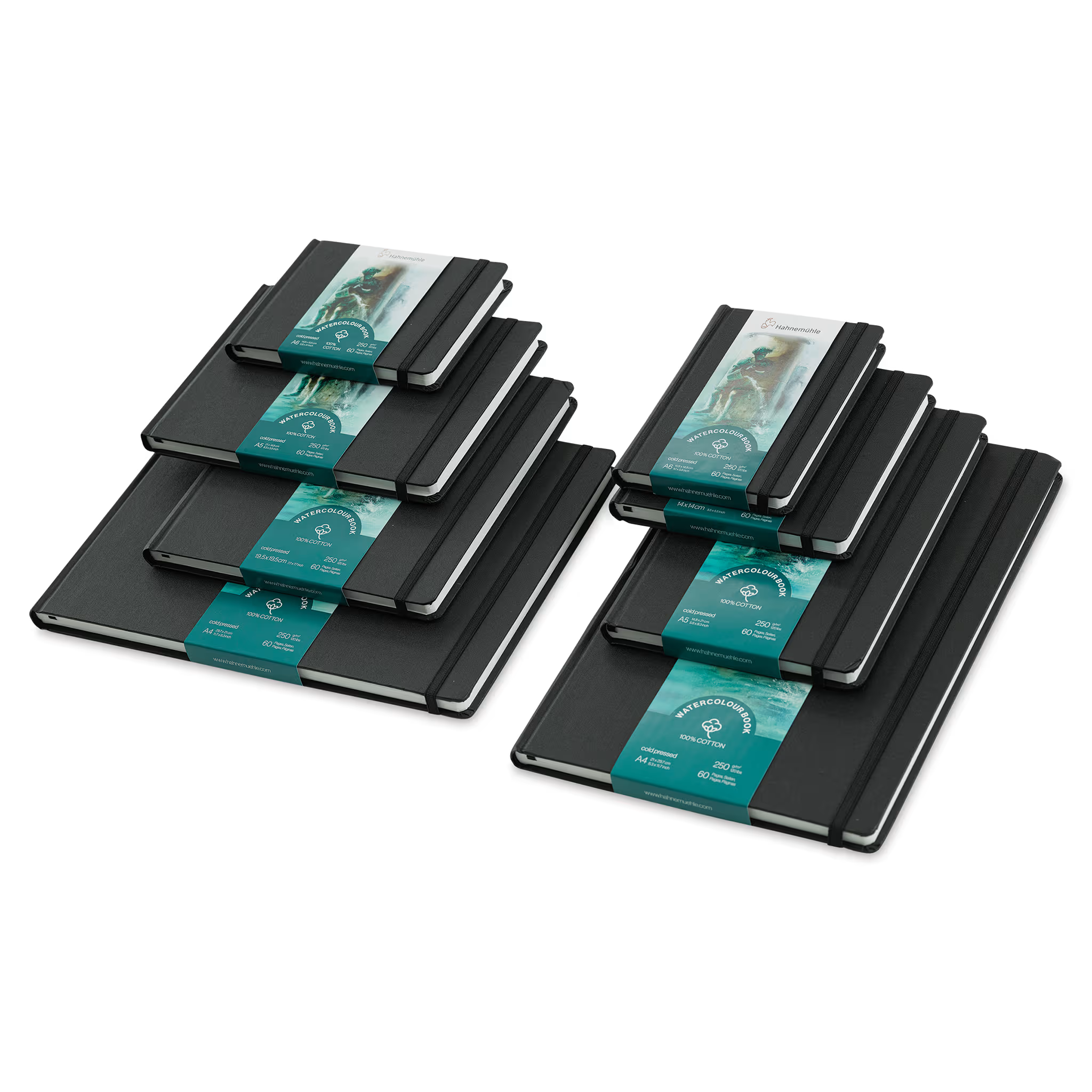
Cold Press Watercolor Sketchbooks
This is a less typical choice, but cold press watercolor sketchbooks can work very well for certain kinds of gesture drawing.
- Best for
- Expressive charcoal gestures, loose ink drawings, mixed media sketches, and atmospheric studies.
- Why it works
- The rougher texture creates interesting marks and can make gesture drawings feel more energetic and painterly.
- Tradeoff
- The paper is thicker and usually more expensive than standard gesture paper, so it is better for a specific look than for pure repetition practice.
Affordable options are available from brands like Strathmore and Canson.
Check price on Blick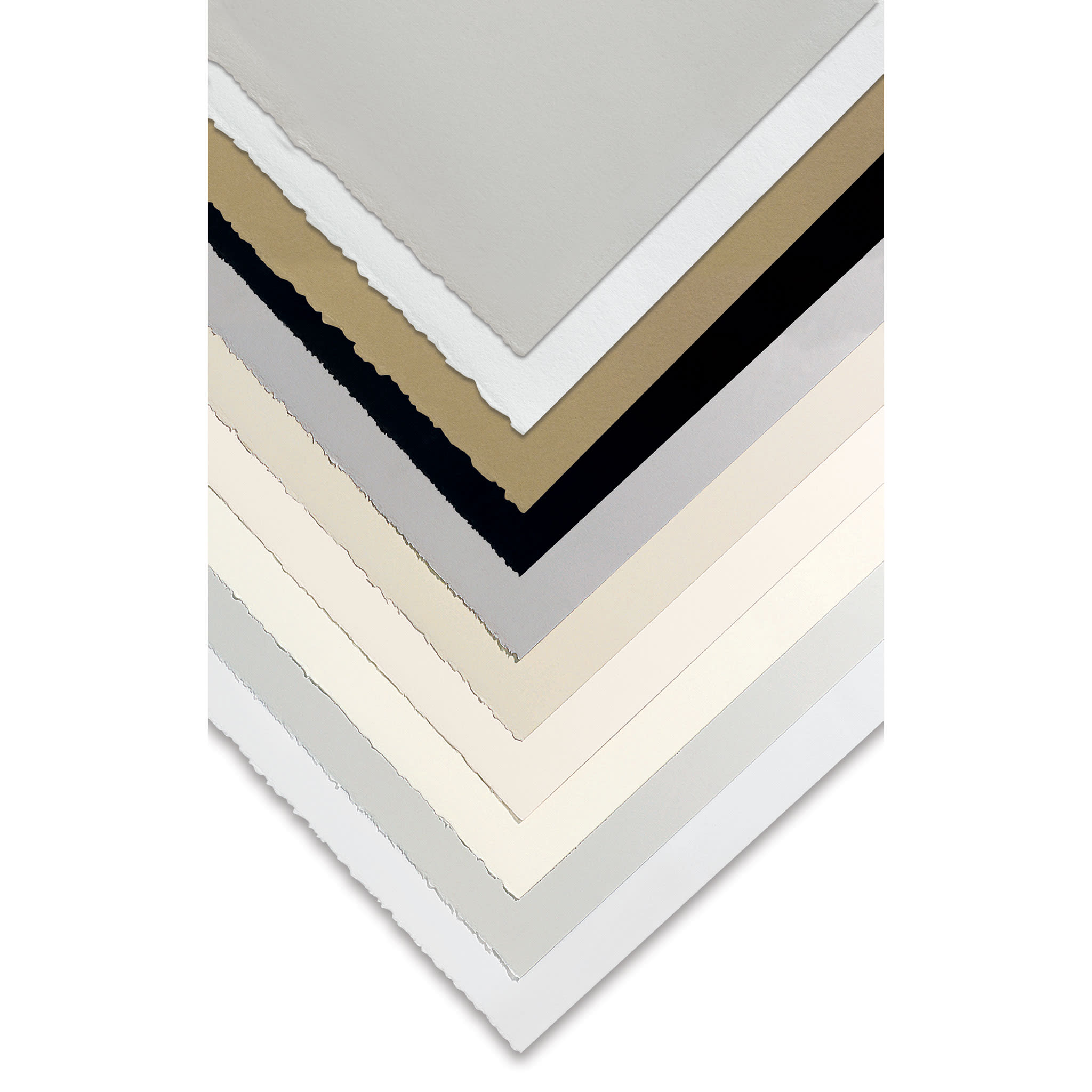
Legion Stonehenge Paper
When I want to take a gesture drawing further and turn it into a more finished piece, I like working on Stonehenge paper.
- Best for
- Finished artwork, refined figure studies, layering, blending, and colored pencil work.
- Why it works
- Stonehenge is a durable cotton paper with a beautiful drawing surface. It handles graphite, charcoal, and colored pencil exceptionally well.
- Tradeoff
- It is more expensive than newsprint or standard drawing pads, so it is not ideal for bulk drills.
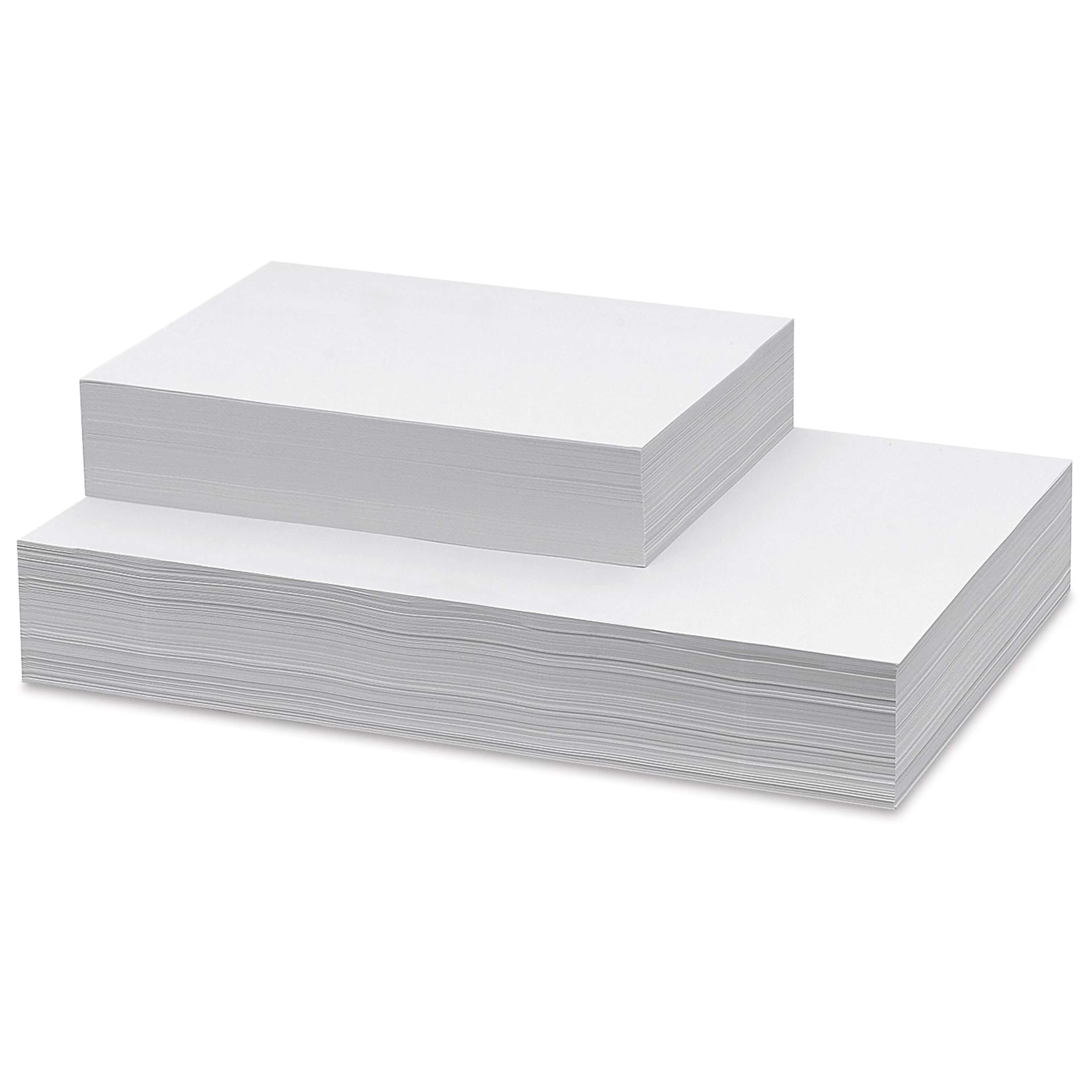
Blick White Sulphite Drawing Paper
For live figure drawing sessions, I often bring Blick White Sulphite Drawing Paper. It sits in a useful middle ground between cheap practice paper and more premium drawing paper.
- Best for
- Live figure drawing sessions, longer gesture poses, anatomy studies, and general figure practice.
- Why it works
- It is slightly heavier than newsprint, has a smooth surface for graphite and charcoal, and handles erasing better than thinner paper.
- Tradeoff
- It is not as cheap as bulk newsprint, so it is better for practice you want to keep a little longer.
Gesture Drawing Tips That Matter More Than Your Sketchbook
While the paper you use can make a difference, gesture drawing improves mostly through volume and repetition.
A few habits can make a much bigger difference than the sketchbook itself.
- Draw large whenever possible. Larger drawings encourage better arm movement.
- Use cheap paper for practice. This removes the fear of making mistakes.
- Focus on movement instead of details. Gesture drawing is about capturing the action of the pose.
- Fill lots of pages quickly. The more drawings you make, the faster your skills improve.
Separating practice paper from finished drawing paper can also help you stay loose while drawing.
Conclusion
The best sketchbooks for gesture drawing are usually simple, affordable, and large enough to let your arm move freely.
Newsprint is perfect for quick practice. Drawing pads provide a bit more durability. Portable sketchbooks make it easier to draw anywhere. And higher quality paper like Stonehenge is great when you want to develop a gesture drawing into a finished piece.
Over time most artists build a small collection of different sketchbooks and papers depending on how they like to work.
But the most important thing is not the sketchbook. It is the number of drawings you make.
Gesture drawing improves through repetition, and the right paper simply makes it easier to keep drawing. If you want a simple routine to put that into practice, start with a short figure drawing warm-up or a timed pose reference session.