Pose Library Studio is now available. Access the full pose library and custom sessions.
Figure Drawing Warm-Up Routine
A simple 5-10 minute figure drawing warm-up for timed pose practice.
Ever notice how the hardest part of drawing is just starting?
That first line can feel stiff. Hesitant. Overthought.
A figure drawing warm up solves that instantly.
It doesn't need to be long. It doesn't need to be perfect. It just needs to get your hand moving.
Figure drawing warm-ups are short, timed drawing sessions designed to loosen your hand, reduce stiffness, and ease the transition from not drawing to drawing. They help quiet overthinking and bring your focus back to movement, flow, and observation.
This is exactly where Pose Library fits in.
If you don't want to think about setup, you can start a timed pose reference session and draw along immediately. You can also use these reference poses for artists when you want seated, kneeling, standing, and action poses in one place.
If you have 5-10 minutes and something to draw with, you already have everything you need.
Sessions like this also help artists develop an art style naturally because repeated choices become easier to notice when you are drawing consistently.
Start your drawing warm-up
A quick session to loosen up and get into drawing mode
No signup required. Just press play and draw.
A 10-Minute Figure Drawing Warm-Up Routine
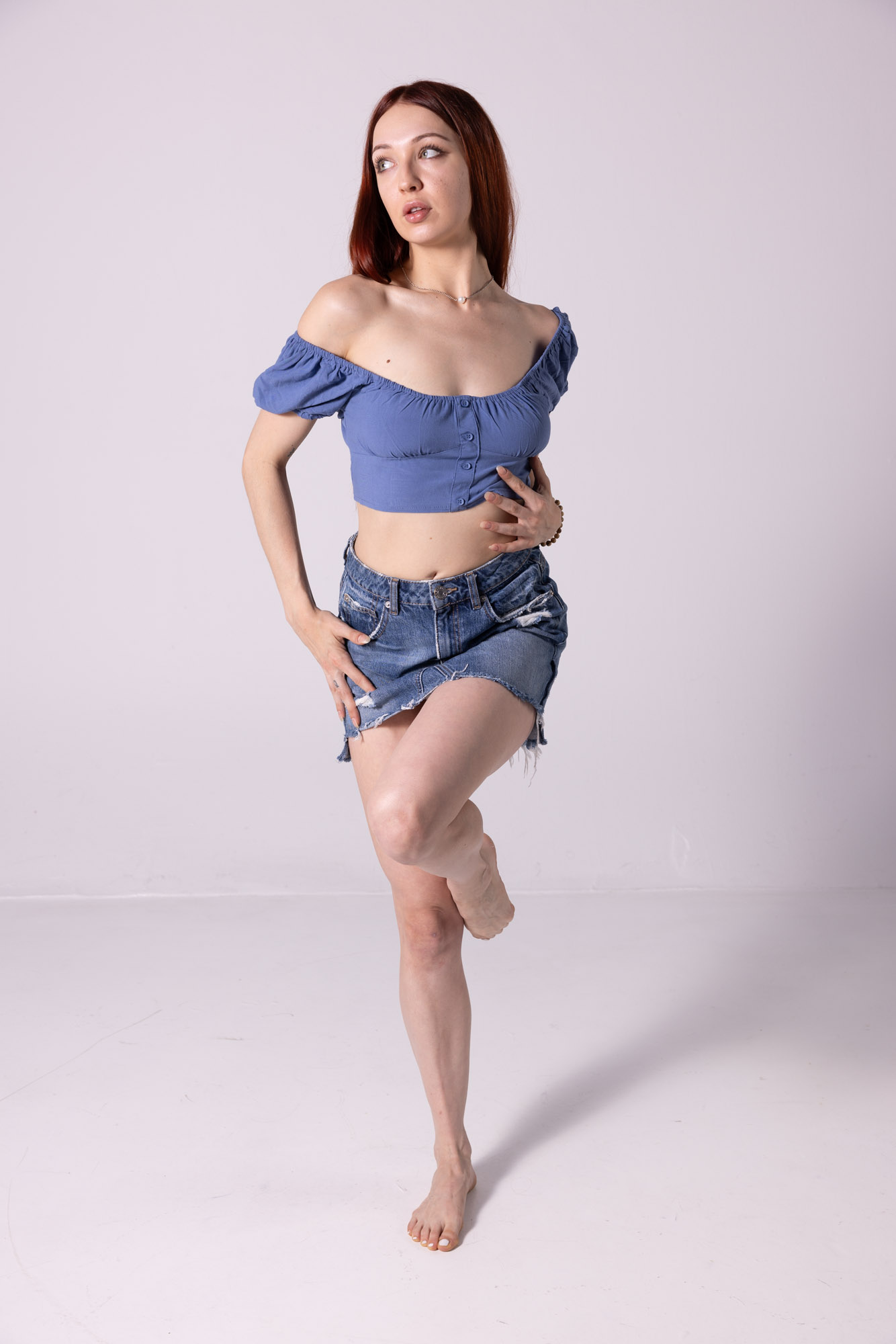
If you want the shortest useful version, use this routine before a longer drawing session:
- 5 poses at 30 seconds: capture only the main movement and line of action
- 3 poses at 1 minute: add the shoulder and hip tilt after the action line
- 1 pose at 2 minutes: add simple torso direction and limb rhythms
This gives you enough repetition to loosen up without turning the warm-up into a full study. If the poses feel too fast, read 30-second vs 2-minute gesture drawing and adjust the timing to match your goal.
How to Do a Simple Figure Drawing Warm-Up
I used to overcomplicate this part way more than I should have.
I thought a proper figure drawing warm up needed structure, the perfect pose reference, maybe even a full plan. But every time I did that, I'd spend more time setting up than actually drawing. Kinda defeats the whole point.
What finally worked for me was keeping it stupid simple.
A figure drawing warm up is really just about getting your hand moving again. Not perfect lines. Not anatomy. Just movement.
Here's the exact way I approach it now.
Start with a Short Timed Session
If you have 5 to 10 minutes, that's enough. Seriously.
I usually run:
- 30 second poses (good for loosening up fast)
- 1 minute gesture drawing
- Sometimes 2 minute poses if I feel stiff
Anything longer than that starts turning into a study, and that's not what this is. If you're unsure what timing to choose, this guide on how long gesture poses should be breaks down the tradeoffs.
Focus on the Line of Action First
This changed everything for me.
Instead of trying to draw the whole figure, I just look for one thing. What stands out? The curve, the tilt, the weight shift.
That becomes the line of action in figure drawing.
A lot of my early warm ups looked stiff because I skipped this step and went straight into drawing shapes. Big mistake. The drawing would just sit there, no life.
Now I try to capture that main movement within the first few seconds.
Keep Your Lines Light and Loose
At first I used to press way too hard. Like I was committing to every line.
Not good.
You want to stay loose here:
- Light lines
- Quick strokes
- Shoulder movement instead of wrist
If the drawing looks messy, that's actually a good sign. It means you're not overthinking it. For more on confident loose marks, see Mastering Linework.
Don't Fix Mistakes
This one was hard to learn.
I used to stop mid-pose and try to correct things. Adjust proportions. Erase. Restart. And then the timer would end and I'd barely have anything.
Now I just keep going.
Even if the proportions are off, even if the pose feels weird, I let it happen. The goal is flow, not accuracy.
Let the Drawings Go
This might be the biggest shift.
These drawings are not meant to be saved. Not posted. Not even looked at again sometimes.
They exist to get you into the session.
I've had warm ups where every drawing felt bad, and then suddenly the next longer pose felt way better. That's the payoff.
If you take anything from this, it's this: start fast. Stay loose. Don't judge it.
A simple figure drawing warm up isn't about getting better drawings right away. It's about making it easier to start drawing at all.
What Is a Figure Drawing Warm-Up?
I remember when I first heard the term "figure drawing warm up," I thought it was some structured routine that serious artists followed. Like something you had to learn properly before you could even start drawing.
That slowed me down more than it helped.
A figure drawing warm-up is way simpler than that. It's just a short drawing session meant to get your hand moving again. That's it. No pressure, no expectations.
Most of the time, I use quick gesture drawing practice for this. Usually 30 second poses or 1 minute gesture drawing. The short time forces you to focus on the big idea of the pose instead of getting stuck in details.
If I had to break it down, a figure drawing warm up usually looks like this:
- Short timed drawing session (5-10 minutes)
- Quick poses (30 sec to 2 min)
- Focus on movement, not anatomy
- Loose lines, no cleanup
- No attachment to the result
When I skip warm ups, I feel it immediately. Lines come out stiff, proportions feel off, and I second guess everything.
But when I do even a few minutes of warm up sketches, something shifts. My hand loosens up, and my brain kinda catches up to what I'm seeing.
It's almost like your drawing muscles need a second to wake up.
And yeah, some days it feels pointless. Like the drawings aren't good or nothing is improving. But over time, this is where a lot of progress quietly happens.
Why Figure Drawing Warm-Ups Matter
There was a point where I thought warm ups were optional. Like something beginners do.
I was wrong.
The days I skipped them were usually the days I struggled the most. Everything felt slower. I'd hesitate more. Lines felt stiff, like I was forcing them.
Warm ups fix that.
They do a few things that aren't obvious at first, but you feel it pretty quickly:
- They loosen your hand and improve line confidence
- They reduce overthinking before it even starts
- They help you see poses faster and more clearly
- They build a consistent drawing habit over time
One thing I noticed is how much warm ups help with decision making.
When you're doing gesture drawing, you don't have time to hesitate. You have to decide what matters in the pose and commit to it. That skill carries over into longer drawings.
Also, warm ups remove this weird pressure to "make something good."
Because you know these drawings don't matter.
And that's actually what makes them valuable.
I've had sessions where my warm ups looked rough, but when I moved into a longer pose after, everything felt easier. Like I had already solved the hard part.
It's not about making great drawings during warm ups.
It's about making better drawings after.
Using Timed Pose Sessions (The Easiest Way to Warm Up)
I used to waste a lot of time just deciding what to draw.
Scrolling through images, setting timers, organizing references. By the time I started drawing, I was already a little drained.
Timed pose sessions fixed that.
Now I just press play and draw.
No setup, no decisions, no friction.
This is where tools like Pose Library make a big difference. Everything is already set up for you. The poses change automatically, and the timing is handled in the background.
So you can focus on what actually matters, which is drawing.
Here's what I like about using timed pose reference sessions:
- You don't have to pick images
- You don't have to manage a timer
- You stay in a continuous flow state
- It removes decision fatigue completely
I didn't realize how much energy I was wasting on setup until I stopped doing it.
Also, the automatic switching of poses keeps you moving. You don't get stuck staring at one drawing trying to fix it.
You just move on.
That alone improved my gesture drawing more than anything else.
If you're struggling to stay consistent, this is probably the easiest change you can make.
When to Use Figure Drawing Warm-Ups
I used to think warm ups were only for the beginning of a long drawing session.
But I've started using them in more situations, and it's helped a lot.
Here's when I usually do them now:
- Before starting a longer figure drawing or illustration
- After not drawing for a few days
- When I feel stuck or frustrated
- When I only have a few minutes but still want to draw
That last one is important.
There were a lot of days where I'd skip drawing completely because I didn't have enough time for a "real session." But doing a 5 minute warm up is still practice.
And it adds up.
Another time warm ups help is when things just aren't working.
You know those sessions where everything feels off? Proportions are weird, lines feel stiff, nothing looks right.
Instead of forcing through it, I reset with a few quick gesture drawings.
Most of the time, that's enough to get back on track.
It's a small thing, but it works.
What to Do After Your Warm-Up
This was something I didn't think about at first.
I would do warm ups and then stop.
Which is fine sometimes, but I started seeing better results when I treated warm ups as a transition, not the main event.
After a warm up, your hand is loose, your eye is sharper, and your brain is already in drawing mode.
That's the best time to move into more focused work.
Once you're warmed up, a few gesture drawing practice sessions are an easy next step, and if you want a more structured drill, try these line of action exercises.
Here's what I usually do next:
- Longer gesture drawing (2-5 minute poses)
- More structured figure drawing (adding simple forms)
- Studying line of action more intentionally
- Moving into anatomy or longer poses
One thing I learned the hard way is not to jump too quickly into detail.
Even after a warm up, it's easy to slip back into overworking a drawing.
Instead, I try to carry that same loose approach forward, just with a bit more structure. A good next structural check is adding shoulder and hip axis lines after the line of action.
Also, not every session needs to go further than the warm up.
Some days, just showing up and doing a few quick sketches is enough.
And weirdly, those small sessions are what helped me stay consistent long term.
Frequently Asked Questions
How long should a figure drawing warm-up be?
A figure drawing warm-up can be as short as 5 to 10 minutes. Short timed poses, such as 30-second or 1-minute poses, are usually enough to loosen your hand and help you start drawing.
What poses are best for figure drawing warm-ups?
The best warm-up poses are clear, readable poses with enough movement to practice line of action, tilt, and weight shift. Short gesture poses work better than long static studies for warming up.
Should warm-up drawings look good?
No. Warm-up drawings are not meant to be polished. Their job is to reduce hesitation, loosen your lines, and prepare you for the rest of the drawing session.
Is 5 minutes enough for a drawing warm-up?
Yes. Five minutes is enough if you keep the poses short and focus on movement instead of detail. A quick warm-up is often better than skipping drawing completely.
What should I do after a figure drawing warm-up?
After a warm-up, move into longer gesture drawing, simple torso construction, line of action studies, or a more focused figure drawing session.
Conclusion
A figure drawing warm up is one of those things that seems small, but it changes everything.
It removes that initial resistance. It gets you moving. It makes starting easier.
And starting is usually the hardest part.
You don't need a perfect setup. You don't need a full plan.
If you've got a few minutes and something to draw with, you're good.
Start with quick gesture poses. Keep your lines loose. Don't worry about the result.
If you want an easy way to begin, start a timed pose session and then continue with gesture drawing practice.
Just draw.
That's really it.