Pose Library Studio is now available. Access the full pose library and custom sessions.

Best Books for Figure Drawing (Loomis, Bridgman, Tom Fox & More)
A curated list of the best books for figure drawing, including classic anatomy and gesture drawing books by Loomis, Bridgman, Tom Fox, Hogarth, and other masters of figure drawing instruction.
Learning to draw the human figure is one of the most important steps in becoming a skilled artist. The figure is complex. It twists, balances weight, expresses emotion, and moves through space in ways that are difficult to capture on paper. Many artists struggle with proportions and structure, anatomy, and stiff poses when they first begin studying figure drawing.
One of the best ways to overcome these challenges is by studying books written by experienced artists and instructors. The best books for figure drawing break the human body down into simple structures and explain anatomy in a way that artists can actually use. They teach you how to construct the figure, simplify complex forms, and capture movement with confidence. If the terminology in these books feels unfamiliar, keep the figure drawing glossary nearby while you study.
Many of the most respected figure drawing teachers in history wrote books that are still widely used today. Artists like Andrew Loomis, George Bridgman, Burne Hogarth, Michael Hampton, and Tom Fox developed teaching methods that continue to shape how artists learn figure drawing.
Why Study Figure Drawing From Books
Instructional books have played a major role in art education for decades. Even with the rise of online tutorials and video courses, many artists still rely on books to build a strong foundation in figure drawing.
Books offer a structured way to study the human figure. Many of the best instructors organized their lessons so that each concept builds on the previous one. This type of structured learning helps artists understand complex ideas step by step.
Books also allow artists to study at their own pace. You can revisit a chapter, study a drawing carefully, or practice an exercise multiple times without feeling rushed.
Another advantage is that many classic figure drawing books were written by instructors who taught at major art schools. Their methods have been refined through years of teaching students how to draw the human body effectively.
What Makes a Good Figure Drawing Book
Not all drawing books are equally helpful. The best books for figure drawing usually share a few important qualities.
Clear Construction Methods
Great figure drawing books show artists how to build the figure from simple forms. Instead of copying outlines, artists learn to construct the body using shapes like boxes, cylinders, and spheres.
Practical Anatomy
Artists do not need to memorize every muscle in the body. Good anatomy books focus on the muscles and structures that affect the visible surface of the figure.
Focus on Gesture and Movement
Strong figure drawings capture movement and energy. Books that teach gesture drawing help artists avoid stiff poses and create more dynamic figures.
Strong Visual Examples
Drawing is a visual skill. The best books include clear demonstrations, diagrams, and drawing examples that help artists understand each concept.
Best Books for Figure Drawing
The books below represent some of the most influential figure drawing instruction ever published. Each one approaches the human figure from a slightly different perspective, which makes them valuable for artists at different stages of learning.
Some links in this article may be affiliate links. If you purchase through them, Pose Library may earn a small commission at no extra cost to you.
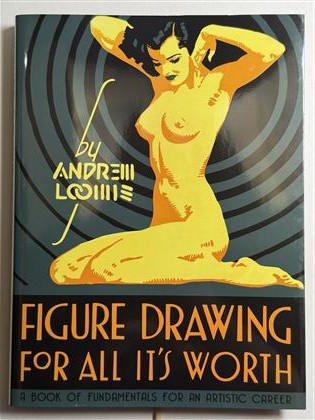
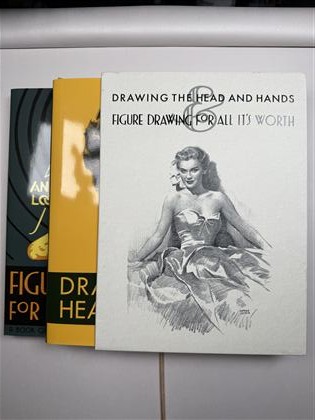
Figure Drawing for All It's Worth - Andrew Loomis
One of the most influential figure drawing books ever written.
- Best for
- Beginners learning figure drawing fundamentals
- What this book teaches
- Human body proportions, figure construction using simple forms, and drawing the figure from imagination
- Why artists love it
- Clear teaching method, easy-to-follow diagrams, and a system still used by many artists today
Also consider the Loomis box set
If you plan to study more than one Loomis book, the box set may be more cost effective than buying individual volumes separately.
Check box set on Amazon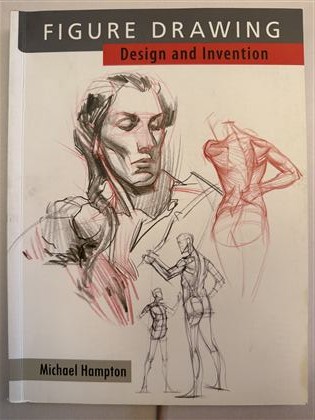
Figure Drawing: Design and Invention - Michael Hampton
A modern figure drawing classic used by many art schools.
- Best for
- Intermediate artists studying structure and anatomy
- What this book teaches
- Simplified anatomy for artists, gesture-to-structure workflow, and torso and limb construction
- Why artists love it
- Clear diagrams, organized lessons, and a practical bridge between gesture and anatomy
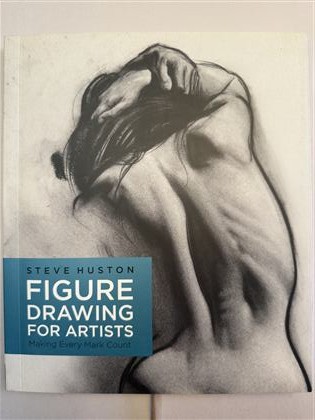
Figure Drawing for Artists: Making Every Mark Count - Steve Huston
A practical figure drawing book focused on purposeful marks, structure, and expressive design.
- Best for
- Artists who want stronger draftsmanship and more intentional figure drawings
- What this book teaches
- Gesture, structure, shape design, and using every mark to support the figure
- Why artists love it
- Clear teaching, strong examples, and a useful bridge between observation and design
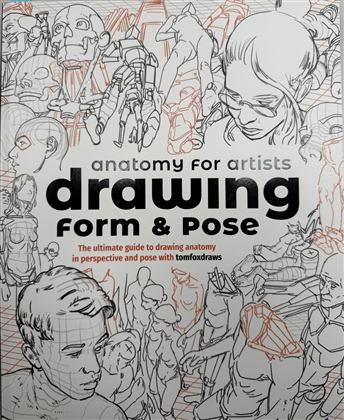
Anatomy for Artists: Drawing Form & Pose - tomfoxdraws
A modern anatomy guide focused on drawing form, perspective, and pose.
- Best for
- Artists who want to place anatomy into convincing poses and perspective
- What this book teaches
- Drawing anatomy as forms in space, posing the figure, and thinking through perspective while constructing the body
- Why artists love it
- Modern explanations, practical form drawing, and a strong focus on pose construction
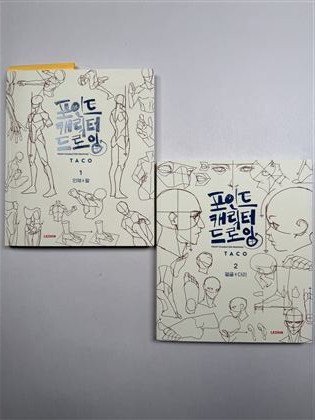
Point Character Drawing - Taco
A popular character drawing book focused on stylized figures, appealing poses, and clear drawing shortcuts.
- Best for
- Artists who want to apply figure drawing ideas to stylized characters and expressive poses
- What this book teaches
- Character pose construction, simplified anatomy, gesture, and visual tips for making figures feel more appealing
- Availability note
- The English translation can be difficult to find, so availability and pricing may change more often than the other books on this list.
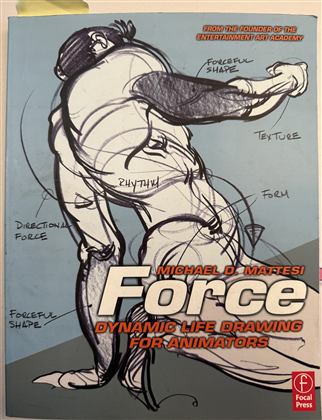
FORCE: Dynamic Life Drawing - Mike Mattesi
A movement-focused figure drawing book built around rhythm, direction, and forceful shape design.
- Best for
- Artists who want more energy, action, and directional flow in their figure drawings
- What this book teaches
- Forceful gesture, directional shape, rhythm, form, and dynamic pose analysis
- Why artists love it
- Clear emphasis on movement, strong appeal for animation students, and practical gesture ideas
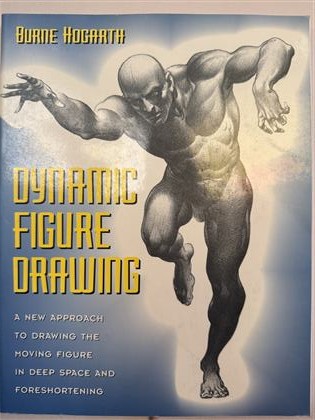
Dynamic Figure Drawing - Burne Hogarth
A classic book focused on movement and dramatic poses.
- Best for
- Artists who want more dynamic figures
- What this book teaches
- Movement and exaggeration, stretch and compression in the body, and dynamic anatomy
- Why artists love it
- Powerful drawing style, help with avoiding stiff poses, and strong value for comics and illustration
- Availability note
- This book can be tricky to find, so availability and pricing may vary.
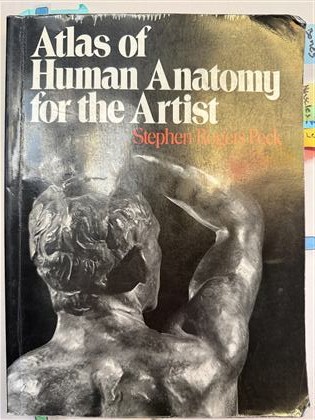
Atlas of Human Anatomy for the Artist - Stephen Rogers Peck
A trusted anatomy reference designed specifically for artists.
- Best for
- Learning anatomy for figure drawing
- What this book teaches
- Major muscle groups, skeletal structure, and surface anatomy for artists
- Why artists love it
- Clear anatomical drawings, artist-focused explanations, and excellent long-term reference value
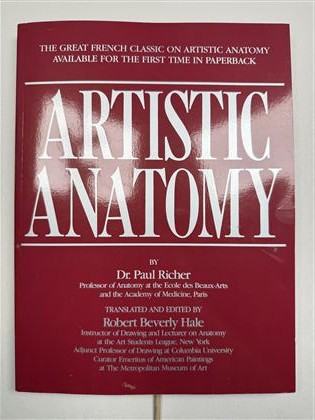
Artistic Anatomy - Dr. Paul Richer
A classic anatomy reference for artists who want a deeper understanding of the figure.
- Best for
- Artists who want a more academic anatomy reference
- What this book teaches
- Skeletal structure, muscle groups, proportion, and anatomical forms used in figure drawing
- Why artists love it
- Detailed anatomical knowledge, classic instruction, and long-term reference value
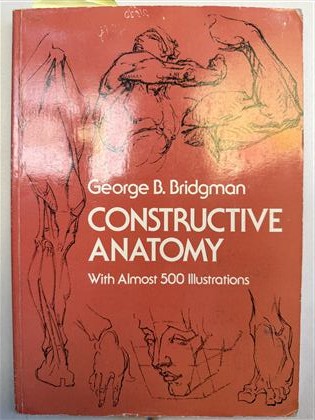
Constructive Anatomy - George Bridgman
A legendary anatomy book with a strong structural approach.
- Best for
- Understanding the structure of the human body
- What this book teaches
- Anatomical construction, structural masses of the body, and how muscles connect and move
- Why artists love it
- Strong structural insight, expressive teaching drawings, and lasting influence among illustrators
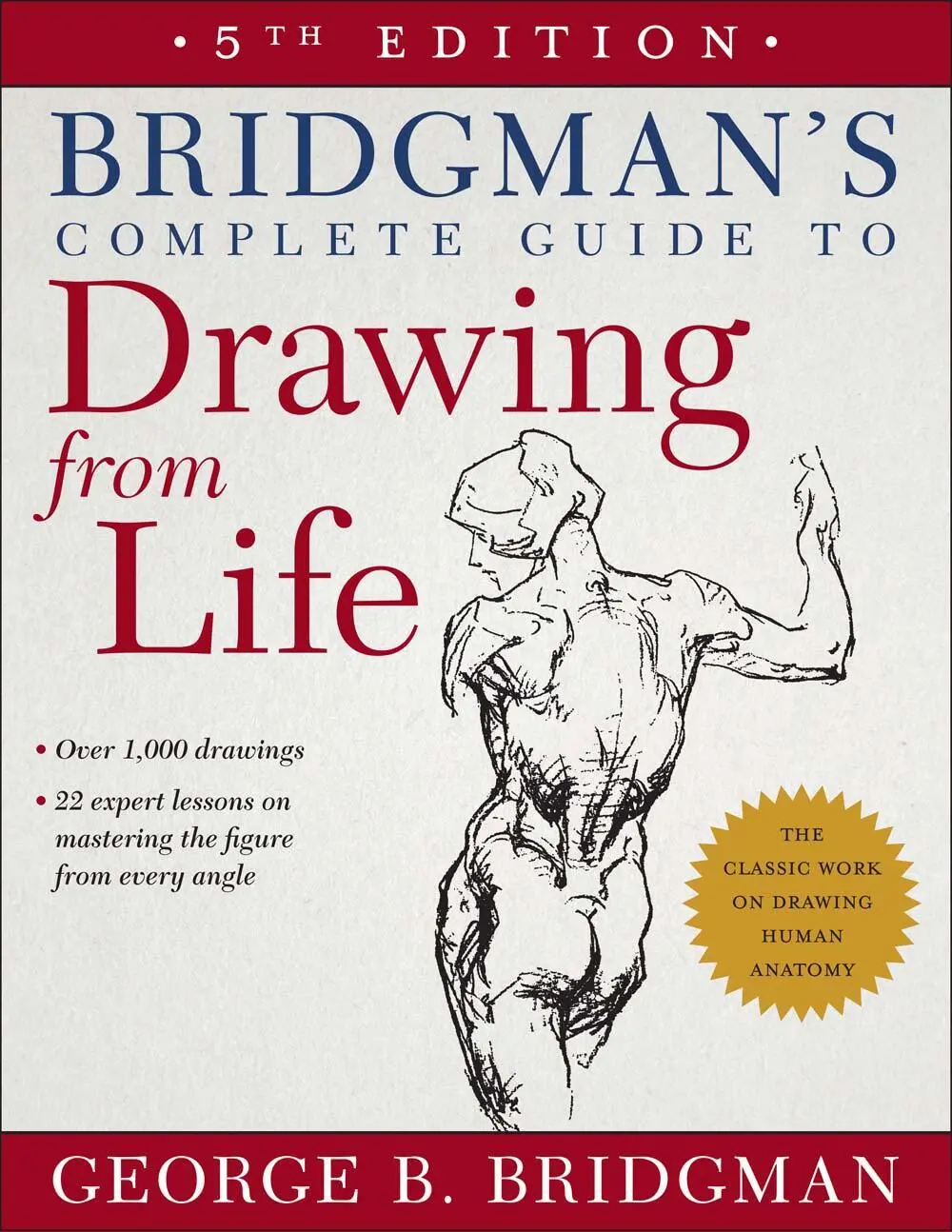
Bridgman's Complete Guide to Drawing from Life - George Bridgman
A larger collection of Bridgman's famous teaching drawings.
- Best for
- Artists studying anatomy and structure together
- What this book teaches
- Structural anatomy, figure movement, and weight and balance in the body
- Why artists love it
- Hundreds of teaching sketches, deep anatomical insight, and strong figure understanding
Best Figure Drawing Book for Beginners
Artists who are just starting to study the human figure often benefit from a book that explains construction clearly.
Figure Drawing for All It's Worth by Andrew Loomis is often considered the best starting point. Loomis provides clear systems for measuring proportions and building the figure from simple forms. This approach makes the complex subject of figure drawing easier to understand.
Best Anatomy Books for Figure Drawing
Artists who want to improve their understanding of anatomy should consider studying both Atlas of Human Anatomy for the Artist and Constructive Anatomy.
Peck's book provides clear anatomical references, while Bridgman's work helps artists understand how anatomical structures connect and move together. Together these books provide a strong foundation for drawing the human body with accuracy and confidence.
How to Practice After Reading These Books
Reading drawing books alone will not improve your skills. The real progress comes from consistent practice.
One effective approach is to practice gesture drawing daily. Short timed poses help artists focus on movement and improve observation skills.
Drawing from reference images is also helpful. Studying real poses helps artists understand how the body moves and balances weight.
It is also useful to study anatomy slowly. Focus on major structures like the rib cage, pelvis, and major muscle groups before worrying about smaller details. Combining study with regular drawing practice is one of the fastest ways to improve figure drawing skills.
Final Thoughts
Figure drawing is a lifelong skill that improves through study and practice. The books listed above represent some of the most influential teaching resources available to artists.
Each author offers a different perspective on the human figure. Some focus on structure, others emphasize anatomy, and others concentrate on movement and gesture. Studying multiple approaches can help artists develop a deeper understanding of the human body.